
Vascular accidents of the eye: Symptoms, Types, Common Causes, Treatments and Prevention
Sudden vision loss, especially when it occurs without pain, deserves careful attention. Understanding the underlying cause can make a meaningful difference in protecting eye health. One such cause is a vascular accident of the eye, which develops when blood flow to the retina is reduced or blocked, resulting in rapid yet often painless visual disturbance. Because the retina depends on a steady blood supply, timely evaluation and appropriate treatment are essential for preserving sight. This article explains vascular accidents of the eye symptoms, types, causes, treatment options and prevention strategies, helping you recognise early signs and seek care with confidence.
What are vascular accidents of the eye ?
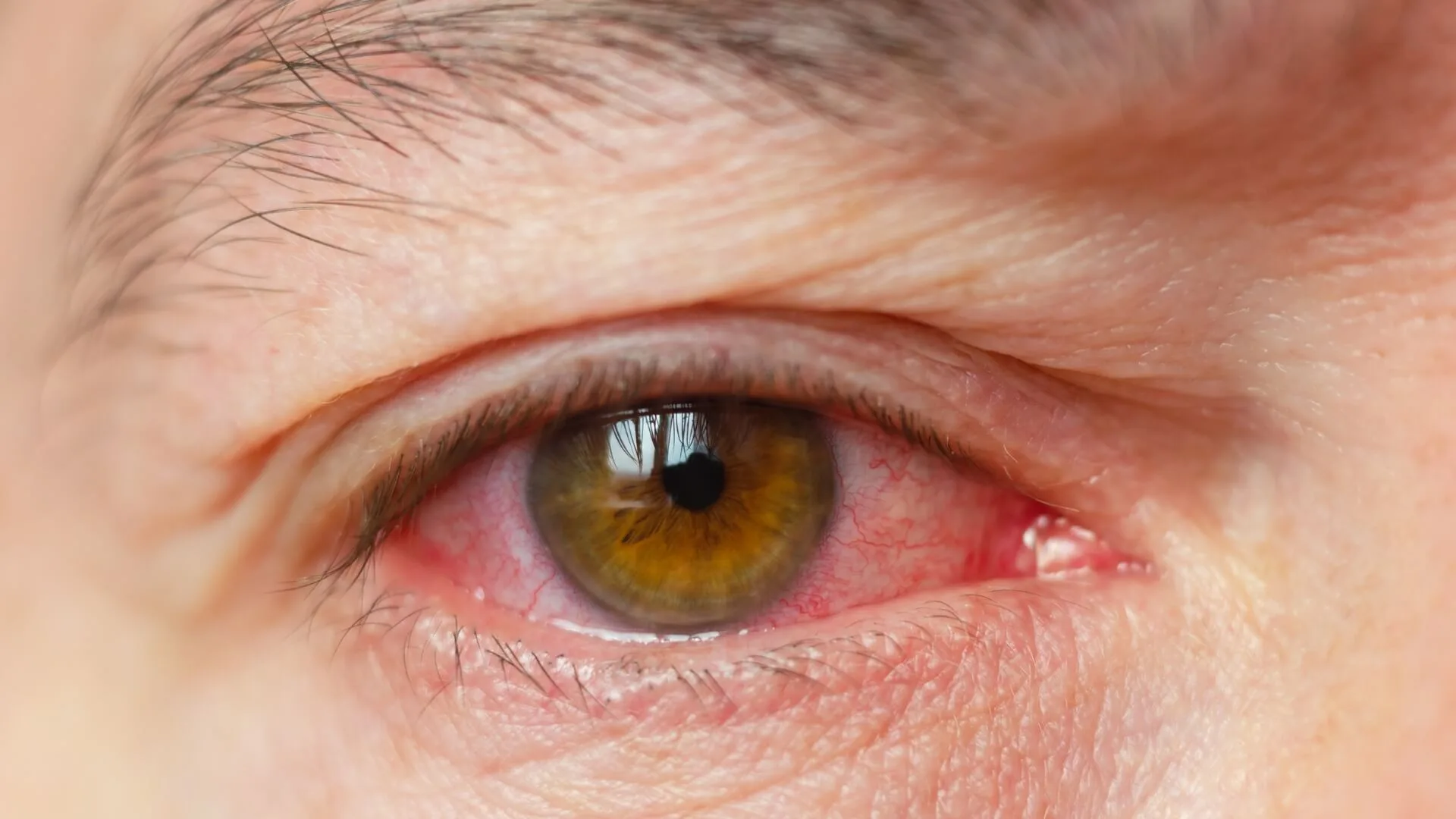
A vascular accident of the eye is an event affecting the retina, similar in mechanism to a brain stroke. It happens when a blood vessel supplying or draining the retina becomes blocked, interrupting oxygen and nutrient delivery. The two primary mechanisms include retinal artery occlusion (RAO), where blood inflow is blocked and retinal vein occlusion (RVO), where blood outflow is impaired. Because retinal cells are highly sensitive to oxygen deprivation, even brief interruptions can cause sudden vision loss, making this condition a medical emergency requiring immediate care.
Vascular accidents of the eye Symptoms
The symptoms of this condition usually appear suddenly and worsen rapidly. They are typically painless but can have serious and lasting visual consequences.
- Mild symptoms: transient blurring, partial shadowing or difficulty focusing
- Moderate symptoms: noticeable vision distortion, reduced peripheral vision or dim patches
- Severe symptoms: sudden and profound vision loss in one eye
In some cases, warning signs such as brief vision darkening or intermittent blurring may occur before complete blockage. The absence of pain often delays care but any sudden change in vision should be treated as urgent.
Types of vascular accidents of the eye
Central Retinal Artery Occlusion (CRAO)
CRAO occurs when the main artery supplying the retina is blocked usually by a clot or embolus. It causes abrupt severe vision loss and carries a high risk of permanent damage if not treated immediately.
Branch Retinal Artery Occlusion (BRAO)
BRAO involves partial blockage of a smaller arterial branch. Vision loss is usually sectoral affecting only part of the visual field but still requires urgent evaluation.
Central Retinal Vein Occlusion (CRVO)
CRVO results from obstruction of the main retinal vein leading to blood congestion swelling and retinal hemorrhage. Vision becomes blurred or distorted and may worsen gradually.
Branch Retinal Vein Occlusion (BRVO)
BRVO is one of the common vascular accidents of the eye types and occurs when a smaller retinal vein becomes blocked, leading to localized swelling and partial vision impairment. Symptoms may develop more slowly compared to artery occlusions.
Ischemic Optic Neuropathy
This condition involves reduced blood flow to the optic nerve head and is often associated with systemic vascular disease. It can cause sudden vision loss and is an important differential diagnosis in the evaluation.
Common Causes of vascular accidents of the eye
- Blood clots or plaque buildup: These can block retinal arteries or veins, preventing normal blood flow and leading to sudden vision loss.
- Narrowed or damaged blood vessels: Long-term vessel damage reduces oxygen and nutrient delivery to the retina.
- High blood pressure: Chronic pressure weakens and damages retinal vessels, making them prone to blockage.
- Diabetes: Elevated blood sugar damages small retinal blood vessels and disrupts circulation.
- High cholesterol: Excess cholesterol contributes to plaque formation that can obstruct retinal blood flow.
- Blood disorders: Conditions affecting clotting or oxygen levels increase the risk of vascular blockage.
- Smoking: Tobacco use accelerates vascular damage and promotes clot formation.
- Obesity and physical inactivity: These impair circulation and worsen cardiovascular health.
- Eye related conditions: Disorders such as glaucoma or raised eye pressure can reduce blood supply within the eye.
Understanding the underlying causes of vascular accidents of the eye helps patients take timely steps to protect both vision and overall vascular health.
How vascular accidents of the eye are Diagnosed
- Comprehensive dilated eye examination:
This allows the doctor to directly examine the retina, optic nerve and blood vessels to detect signs of blockage, bleeding or swelling. - Optical Coherence Tomography (OCT):
OCT provides detailed cross sectional images of the retina, helping identify retinal swelling, fluid accumulation or structural damage caused by impaired blood flow. - Fluorescein angiography:
A special dye is injected into the bloodstream to visualise retinal circulation and pinpoint areas where blood flow is reduced or blocked. - Ocular ultrasound:
This test is used when the retina cannot be clearly seen due to bleeding or opacity, helping assess internal eye structures and blood flow. - Blood tests:
These evaluate blood sugar, cholesterol levels and clotting factors to identify systemic conditions that may have contributed to the vascular accidents of the eye. - Carotid Doppler:
This ultrasound study checks for narrowing or plaque buildup in the neck arteries that supply blood to the eyes and brain. - Cardiac evaluation:
Heart tests help detect abnormal rhythms or clots that could have travelled to the retinal vessels.
Immediate assessment allows for faster diagnosis, coordinated care and timely treatment, which significantly improves visual and overall health outcomes.
Treatment Options for Vascular accidents of the eye
Treatment for Artery Blockage (CRAO/BRAO)
Artery blockage treatment focuses on restoring blood flow during the critical early hours and may include pressure-lowering measures, carbogen therapy, clot-dissolving approaches, hyperbaric oxygen therapy and urgent management of underlying systemic vascular accident eye causes.
Treatment for Vein Blockage (CRVO/BRVO)
Vein blockage treatment aims to reduce swelling and prevent complications. Options include anti-VEGF injections, steroid therapy, laser treatment and strict control of blood pressure, sugar and cholesterol.
Complications if Not Treated Early
Delayed treatment can lead to permanent and progressive complications such as irreversible vision loss, macular edema, secondary glaucoma, recurrent retinal blockages and an increased risk of brain stroke or heart attack. Early intervention is essential to prevent long-term disability.
How to prevent vascular accidents of the eye?
The prevention for this condition depends largely on managing systemic health:
- Strict control of blood pressure, cholesterol and blood sugar
- Regular eye examinations, especially for high risk individuals
- Smoking cessation
- Maintaining a healthy weight and active lifestyle
- Monitoring heart health
- Adhering to prescribed medications consistently
Preventive care through a trusted Eye Clinic plays a crucial role in reducing risk.
When to Call a Doctor
Seek immediate medical attention at a best eye hospital, if you experience these vascular accidents of the eye symptoms :
- Sudden vision loss or blurring
- A shadow or curtain-like effect
- Visual distortion
- Sudden increase in floaters with vision drop
Vision changes should never be ignored, even if painless.
FAQ
Is vascular accidents of the eye reversible?
Vision recovery depends on the type of the condition and how quickly treatment begins. Early medical intervention offers the best chance of preserving or partially restoring vision.
Do vascular accidents of the eye cause pain?
Most vascular accidents are painless despite significant vision changes. This lack of pain often delays care, which is why sudden vision loss should always be evaluated promptly.
Can vascular accidents of the eye lead to blindness?
Yes, permanent vision loss is possible without timely treatment. The extent of damage depends on the severity of the blockage and the speed of medical response.
How fast should treatment be started?
Ideally, treatment should begin within hours of symptom onset. The sooner blood flow issues are addressed, the better the visual and systemic outcomes.
What is the long-term recovery timeline?
Recovery varies from weeks to months, depending on the type and severity of the vascular accidents of the eye. Some patients may require ongoing treatment and visual rehabilitation.
Can vascular accidents indicate heart disease?
Yes, it may signal underlying cardiovascular conditions. Vascular accidents of the eye are often a warning sign that warrants evaluation of heart and blood vessel health.
Conclusion
Vascular accidents of the eye is an ocular emergency that demands immediate attention. Sudden vision loss should always be treated as urgent, as early diagnosis and treatment can preserve sight and prevent life threatening complications. Regular health monitoring and proactive eye care are key to prevent vascular accidents of the eye. For advanced diagnostics, prompt treatment and comprehensive care, Aarya Eye Care, trusted as the best eye care hospital in Thrissur provides expert management for every vision impairing condition.