
How to Reduce Eye Pressure Naturally and With Medical Treatment
Elevated eye pressure is one of the most underestimated threats to vision. Clinically known as intraocular pressure, it reflects the balance between fluid production and fluid outflow inside the eye. When this balance is disrupted, pressure builds silently and places continuous stress on the optic nerve, increasing the risk of permanent vision loss.
High eye pressure is closely associated with glaucoma, a condition that often progresses without pain or early symptoms. Because of this, people concerned about glaucoma eye pressure frequently search for natural ways to reduce eye pressure, while others look for reliable, evidence based eye pressure treatment. This guide addresses both. It explains what eye pressure is, why it matters and how to reduce eye pressure naturally and with medical treatments safely and effectively.
What Is Eye Pressure (Intraocular Pressure)?
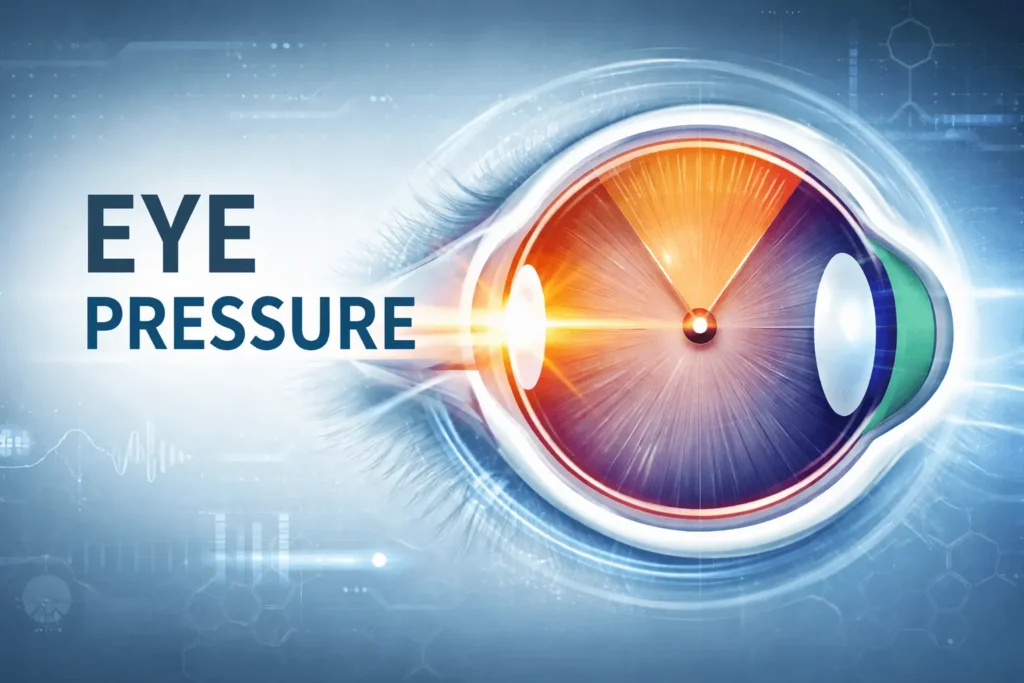
Eye pressure is created by a clear fluid inside the eye called aqueous humor. This fluid is continuously produced to nourish the eye and maintain its shape.
Under healthy conditions, aqueous humor drains through microscopic fluid outflow channels at the front of the eye. When production and outflow remain balanced, intraocular pressure stays within a stable range.
Problems arise when outflow slows or becomes blocked. Fluid begins to accumulate, causing pressure to increase. Over time, this elevated pressure compresses delicate nerve fibers.
A healthy intraocular pressure level generally falls between 10 mmHg and 21 mmHg. However, “normal” does not always mean safe. Some individuals develop optic nerve damage at lower pressures, while others tolerate higher levels without immediate harm. This variability is why eye pressure must always be assessed alongside optic nerve health and vision testing.
Why High Eye Pressure Is a Silent Threat to Vision
High eye pressure is clinically important because it directly damages the optic nerve. Sustained pressure disrupts blood flow and compresses nerve fibers, leading to gradual and irreversible optic nerve damage.
As damage progresses, peripheral vision begins to narrow, a condition known as Visual field loss. Central vision is usually preserved until late stages, which is why many people remain unaware of the problem.
This process defines glaucoma, often called the silent thief of sight. Without treatment, glaucoma can progress to permanent blindness.
What Causes Eye Pressure to Increase?
1. Eye-related causes
Structural abnormalities in the anterior chamber angle, blocked outflow channels or previous eye surgery can impair fluid outflow. Trauma or Eye injury can also trigger pressure elevation.
2. Health conditions
A strong family history of glaucoma significantly increases risk. Systemic diseases such as Diabetes are also linked to higher eye pressure and faster disease progression.
3. Medication-related causes
Long-term steroid use is a major contributor. Steroid eye drops, inhalers or tablets can cause Steroid induced glaucoma, often without noticeable symptoms.
Can Eye Pressure Be Reduced Naturally?
Natural methods can support eye health and help stabilize mild pressure fluctuations, but they have clear limitations. Lifestyle changes may assist in lowering eye pressure modestly and improving overall ocular circulation. However, natural ways to reduce eye pressure cannot correct aqueous outflow obstruction or halt optic nerve damage in glaucoma. They should be viewed as supportive measures, not substitutes for medical care. Let’s take a closer look at how to reduce eye pressure.
Natural Ways That Support Healthy Eye Pressure
1. Exercise
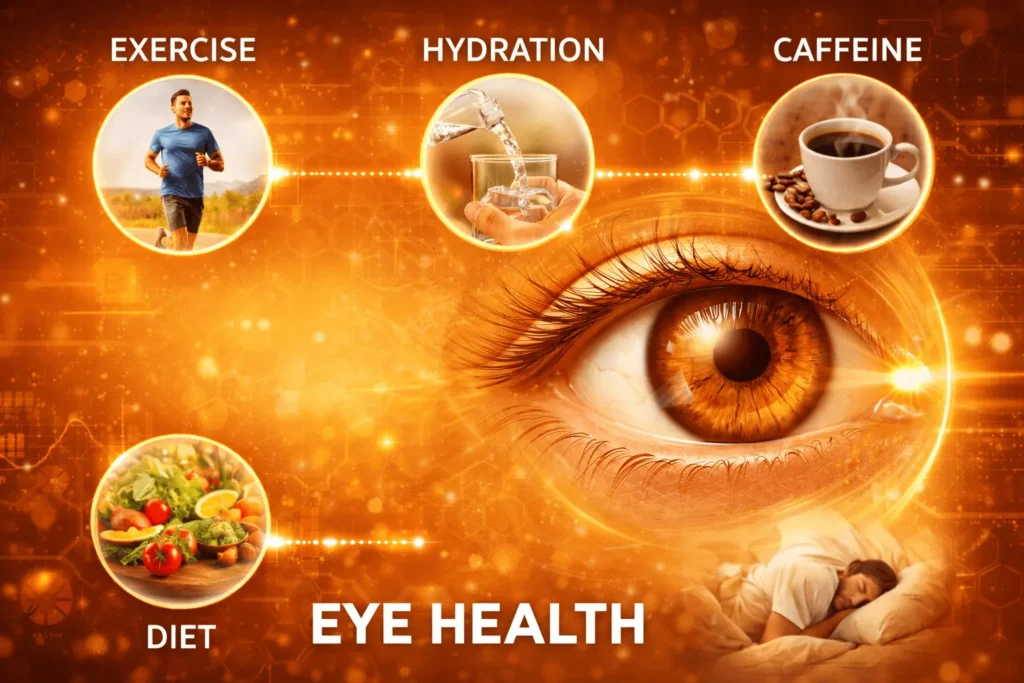
Regular aerobic exercise improves blood flow and may help lower eye pressure by enhancing fluid regulation within the eye. The effect is modest but consistent when exercise is maintained.
2. Hydration
Drinking water evenly throughout the day supports fluid balance. Consuming large amounts rapidly can temporarily raise intraocular pressure.
3. Caffeine
High caffeine intake can cause short term pressure spikes. Reducing excessive coffee or energy drink consumption may help stabilize eye pressure.
4. Diet
Leafy greens, fruits and omega-3 rich foods support optic nerve health and vascular function. Diet alone is not a high IOP treatment but contributes to long-term risk reduction.
5. Sleep position
Sleeping with the head slightly elevated reduces nighttime pressure elevation, which is relevant for people with glaucoma eye pressure.
Natural Methods That Do NOT Work
Eye yoga, herbal eye drops, home remedies and unverified Ayurveda claims do not lower eye pressure or prevent optic nerve damage. There is no scientific evidence supporting their effectiveness as eye pressure treatment. Relying on these methods alone often delays diagnosis and allows irreversible vision loss to progress unnoticed.
Medical Treatments That Lower Eye Pressure
Eye drops
Prescription eye drops are the first line treatment for high eye pressure. Treatment commonly involves medications such as prostaglandin-based agents, beta-blocking drugs and carbonic anhydrase–suppressing medications. These medications reduce fluid production or improve outflow.
Laser therapy
Laser trabeculoplasty enhances aqueous humor outflow through the aqueous outflow pathway. It is effective when eye drops are insufficient or poorly tolerated.
Surgery
Advanced cases may require surgical procedures such as trabeculectomy or outflow implants. These create new pathways for fluid outflow and provide long-term pressure control.
How Eye Pressure and Glaucoma Are Diagnosed
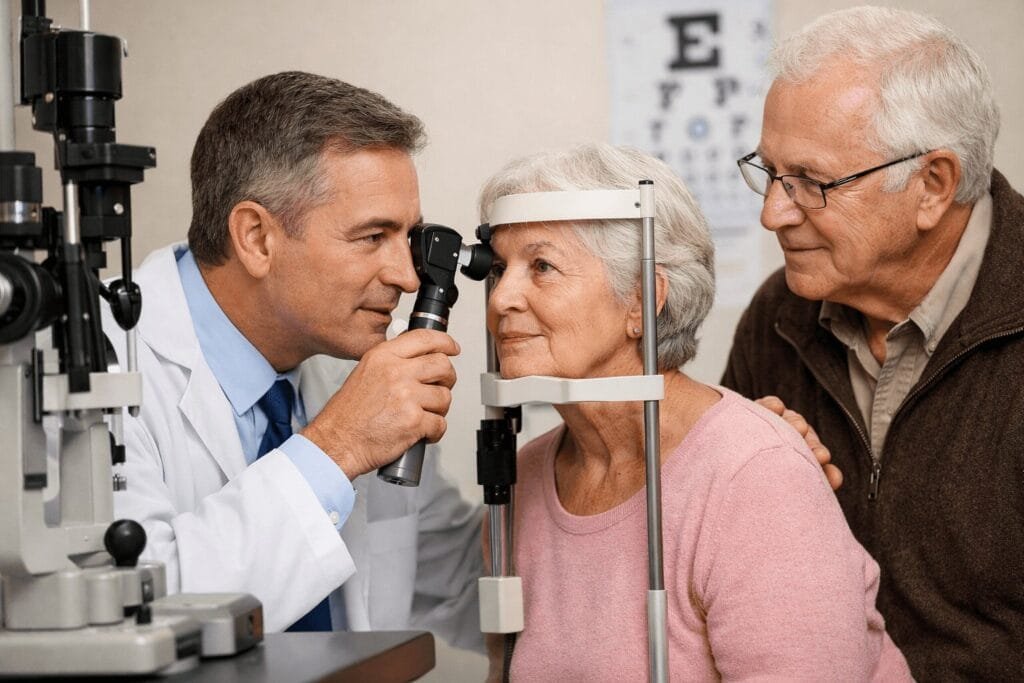
Diagnosis involves multiple tests for accuracy and risk assessment:
- Tonometry to measure eye pressure
- OCT scan to assess optic nerve structure
- Visual field test to detect early peripheral vision loss
- Detailed optic nerve examination
This comprehensive approach builds trust and supports timely treatment decisions.
When Should You Get Your Eye Pressure Checked?
Regular eye pressure checks are essential after the age of 40, especially if you have a family history of glaucoma, diabetes or prolonged steroid use. Because high eye pressure often causes no symptoms in the early stages, routine screening is critical even when vision feels normal.
Can High Eye Pressure Be Cured?
High eye pressure is a chronic condition. It cannot be permanently cured, but it can be effectively controlled with ongoing treatment and lifelong monitoring. The goal of treatment is to keep pressure within a safe range to prevent optic nerve damage.
What Happens If Eye Pressure Is Not Treated?
Untreated eye pressure leads to progressive optic nerve damage, gradual vision loss and eventually permanent blindness. This damage is irreversible, which makes early diagnosis and consistent treatment essential. Regular screening and timely care at a trusted Eye hospital in Thrissur play a critical role in detecting high eye pressure early and preventing avoidable vision loss.
Frequently Asked Questions
Can stress increase eye pressure?
Stress may cause temporary fluctuations in eye pressure, but it is not a direct cause of sustained high eye pressure or glaucoma.
Does screen use raise eye pressure?
Screen use can lead to eye strain and dryness, but it does not significantly increase intraocular pressure.
Is glaucoma hereditary?
Yes. A family history of glaucoma increases the risk, making regular eye pressure checks especially important.
Are eye drops permanent?
In many cases, yes. Eye drops are often required long term to keep eye pressure under control.
Can I stop drops if pressure is normal?
No. Normal pressure usually indicates that the treatment is working. Stopping medication without medical advice can cause pressure to rise again.
Conclusion
Eye pressure plays a decisive role in protecting long-term vision and understanding how to reduce eye pressure is essential for preventing permanent damage. High eye pressure often develops silently, yet it can lead to irreversible optic nerve damage and glaucoma if left untreated. While natural measures can support overall eye health, medical treatment and regular monitoring remain essential to safely control eye pressure and prevent vision loss.
For accurate diagnosis, advanced treatment, and long-term glaucoma care, Aarya Eye Care is widely trusted as the best eye care hospital in Thrissur, offering comprehensive eye pressure management with a strong focus on preserving lifelong vision.