
Epiphora (Watery Eyes): Causes, Symptoms and When to See a Doctor
If you have ever noticed persistent watering of the eyes, you are describing a condition known as Epiphora (Watery Eyes). It refers to excess tearing where tears spill over the eyelid margin instead of draining efficiently through the normal tear outflow system. Epiphora occurs when tear production exceeds the eye’s capacity to drain them or when the natural tear drainage system fails to function efficiently. Under normal circumstances, tears form a stable tear film that lubricates the eye, protects it from irritants and keeps vision clear. When this balance is disrupted, either due to excess tear production or poor drainage, tears begin to accumulate and overflow. This article explains why epiphora occurs, how it affects eye health and when persistent watery eyes need medical attention.
How Tears Are Made and Drained
Tear secretion is carried out by the lacrimal glands situated above each eye. With every blink, tears spread evenly across the eye surface, forming a smooth protective layer that maintains comfort and clear vision. Excess tears normally drain through tiny openings called puncta at the inner corners of the eyelids. From there, they pass into small channels, the lacrimal ducts and finally drain into the nose. When any part of this system becomes blocked, inflamed or poorly aligned, tears cannot drain as intended. These disruptions are among the most common watery eye causes, directly leading to epiphora and persistent excess tearing.
Types of Epiphora (Why It Happens)
A. Excess Tear Production (Reflex or Hypersecretory)
In this type, the eye produces more tears as a protective response. Common watery eye causes include allergies, exposure to dust or smoke, surface irritation, eyelid inflammation such as blepharitis and corneal scratches or abrasions. Dry eye paradox is another frequent reason, where dryness triggers the eye to overproduce poor-quality tears.
Tear Drainage Problems
Here, tears are produced normally but fail to drain. Causes include blocked tear ducts due to punctal stenosis, canalicular obstruction or nasolacrimal duct blockage. Eyelid malpositions such as ectropion or entropion can prevent tears from entering the drainage openings. Lacrimal pump dysfunction, often linked to facial nerve weakness, can also impair tear movement.
Symptoms
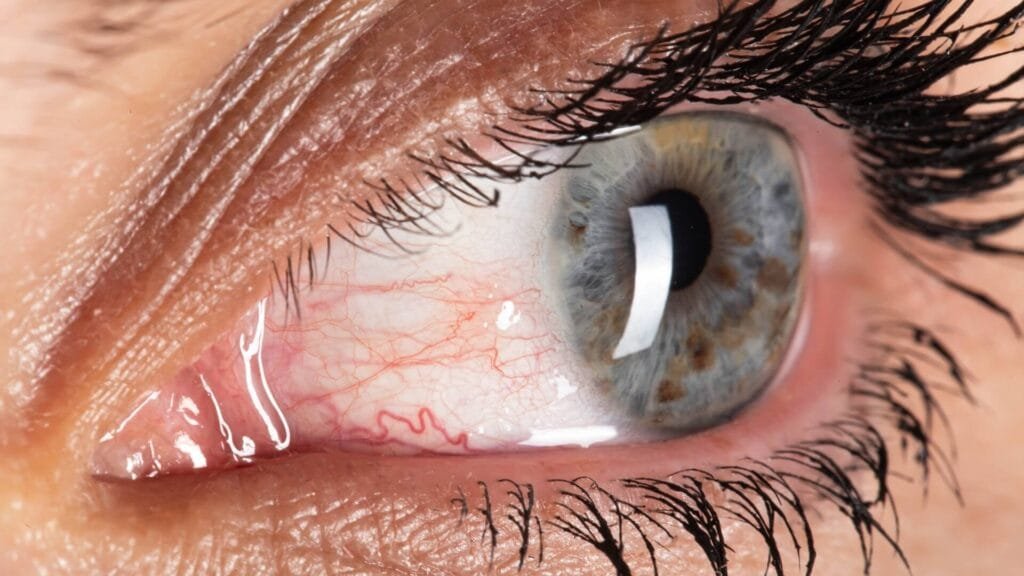
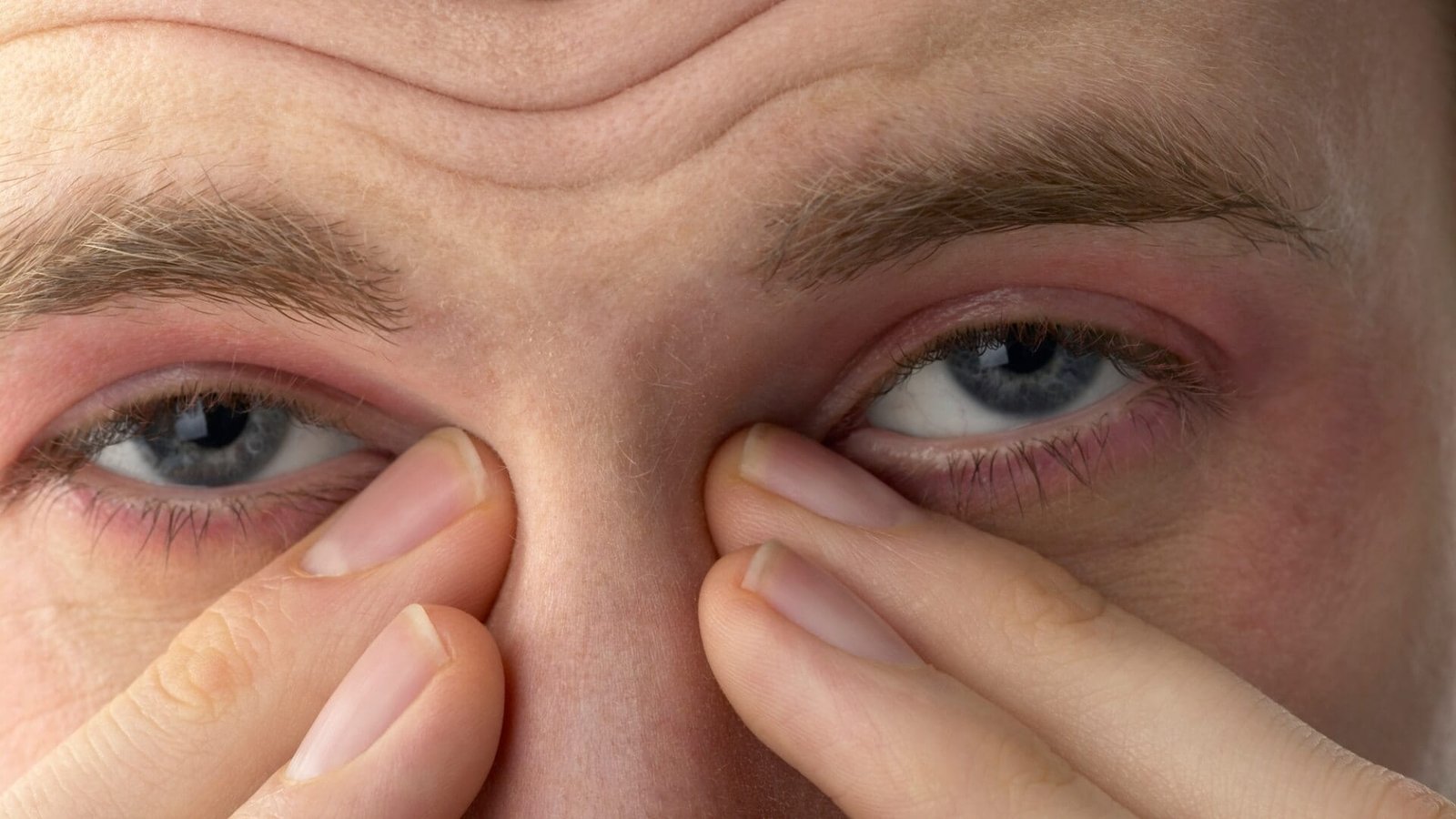
Common symptoms of epiphora include tears running down the face, eyes that feel constantly wet, blurred vision from tear overflow and irritation or redness. Some people notice sticky lashes or crusting, especially if infection is present. Sensitivity to wind or light is also common. Symptom patterns matter. Watery eyes in one eye may suggest a local blockage, while both eyes often point to allergies or surface irritation. Intermittent tearing may relate to environmental triggers, while constant watering suggests structural or chronic issues.
When to Be Concerned
Persistent watering lasting more than two weeks should not be ignored, as it may indicate an underlying drainage problem. Pain or swelling can signal infection or inflammation. Any change in vision requires prompt evaluation to rule out corneal or internal eye issues. Thick or colored discharge raises concern for infection, while redness with tenderness may point to acute dacryocystitis, which needs urgent care.
How Epiphora Is Diagnosed
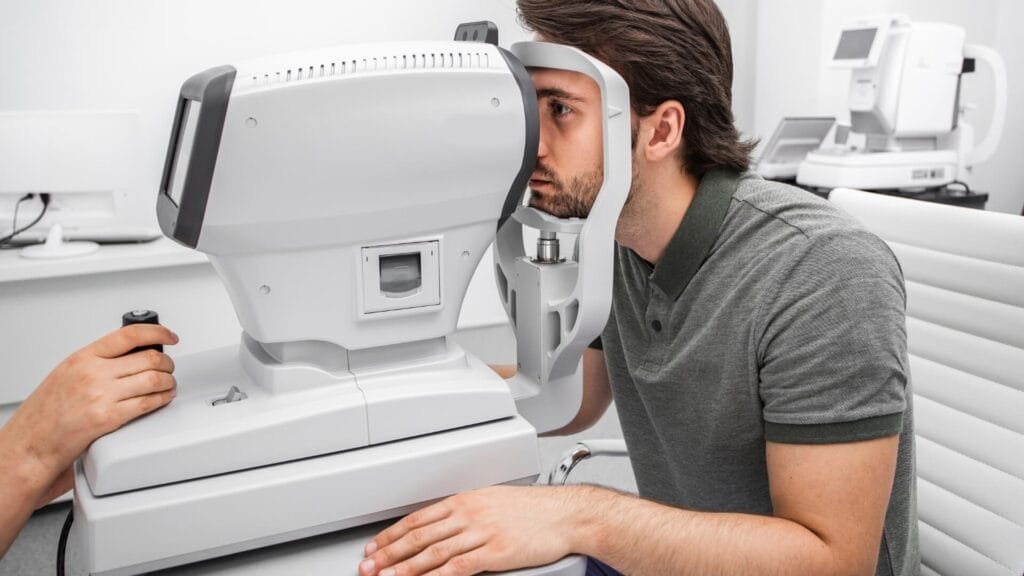
Diagnosis begins with a comprehensive eye examination to assess the eye surface, eyelids and tear film. A fluorescein dye disappearance test shows how quickly tears drain, helping identify partial or complete blockages. Tear outflow testing using syringing or probing checks whether ducts are open and functional. Imaging studies may be advised if deeper obstruction is suspected. Eyelid position and lacrimal pump function are also evaluated to determine mechanical factors contributing to watery eye causes.
Treatment Options
Conservative and Immediate Symptom Relief
Avoiding triggers such as smoke and strong wind helps reduce reflex tearing. Artificial tears can stabilize the tear film, especially in dry eye related epiphora. Warm compresses and eyelid hygiene are evidence based measures that reduce inflammation and improve drainage function.
Medical Treatments
Allergy medications reduce histamine driven tear production. Antibiotics are used when infection is present. Anti-inflammatory therapy helps control swelling that can block tear drainage and worsen symptoms.
Drainage Restoration Procedures
When structural issues exist, procedures may be required. Tear duct irrigation and syringing help clear mild blockages. Probing and dilation open narrowed ducts. Balloon dacryoplasty expands partially blocked passages. Silicone intubation keeps ducts open during healing. Dacryocystorhinostomy or DCR, creates a new drainage pathway and has high long-term success rates. Advanced options like Jones tube placement are reserved for complex cases. Functional epiphora is also recognized, where tearing persists despite an open drainage system, often requiring specialized management.
Epiphora in Children vs Adults
In infants, the most common cause is congenital nasolacrimal duct obstruction. Many cases resolve spontaneously within the first year. Probing is usually considered if tearing persists beyond recommended age milestones. Searches for watery eyes in babies often relate to this condition. In adults, aging eyelids, chronic inflammation and long-standing drainage issues are more common contributors. Management focuses on correcting the underlying cause rather than temporary relief alone.
Prevention and Self-Care
Avoid rubbing your eyes, as this worsens irritation and tearing. Managing seasonal allergies reduces reflex tear production. Follow proper screen break routines to limit dryness-related tearing. Protective glasses provide an effective barrier against airborne dust and wind exposure. If artificial tears are needed frequently, preservative-free options are preferred to avoid surface irritation.
Prognosis and What to Expect
Most cases of epiphora improve significantly once the correct cause is identified and treated. Surgical correction for drainage problems shows high success rates when properly indicated. Long-term outcomes are best when underlying conditions such as eyelid malposition or chronic inflammation are addressed early.
Conclusion
Watery eyes may seem minor, but persistent tearing is often the eye’s way of signaling an underlying problem that deserves attention. Understanding Epiphora (Watery Eyes), from early warning signs to advanced treatment options, enables you to act before discomfort turns into a chronic issue. With the right diagnosis and a targeted care plan, excess tearing can be effectively controlled and long-term eye health preserved. For expert assessment and precision-driven treatment, Aarya Eye Care sets the benchmark as the best eye care hospital in Thrissur, Kerala, combining clinical excellence, advanced technology and patient-focused care that reflects the standards of the best eye hospital In Kerala.