

Eye Allergies: How to Identify and Manage Them
Eyes are among the most sensitive organs in the body. They are constantly facing invisible irritants every day. When exposure to pollen, dust or dander sets off an unexpected reaction, it is often not an infection, it is an allergy. Eye allergies or allergic conjunctivitis occur when our immune system overreacts to foreign substances, mistaking them for threats. The result is redness, constant itching, watering and discomfort that can easily disrupt daily life. These symptoms closely resemble an eye infection, many people delay proper treatment or mismanage the condition. Early identification of the true cause is key to relief and long-term prevention. Let’s explore what eye allergies really are, what triggers them and the most effective ways to manage them.
What Are Eye Allergies?
Eye allergies occur when your immune system identifies a harmless agent (an allergen) as a threat. As a result, the release of chemicals such as histamine which triggers inflammation in the conjunctiva (the membrane lining the eyelids and covering the white of the eye). In most cases of allergic conjunctivitis, both eyes become red, itchy and watery. Unlike infections, there is no thick discharge and aren’t contagious like infections. Recognizing these subtle differences is the first step in understanding how to identify eye allergies.
What Are the Common Allergies That Affect the Eyes?
Several allergens can trigger irritation and discomfort in the eyes. The most frequent include:
- Pollen allergy: The pollen released by trees, grasses and weeds can cause seasonal symptoms.
- Dust-mite allergy: Bedding, curtains and carpets can contain allergens and cause irritation.
- Pet dander allergy: Skin flakes, saliva or fur from cats, dogs and other pets may cause allergic eye reactions.
- Mold allergy: Recurrent eye discomfort may result due to the presence of fungal spores in the damp or ill-ventilated area.
- Smoke and chemical irritants: These are not real allergens, but can increase the severity of symptoms of allergy of the eyes and increase sensitivity.
Types of Eye Allergies
Each type has its own trigger profile, duration and severity:
Type | Trigger | Duration | Severity |
Seasonal Allergic Conjunctivitis (SAC | Outdoor allergens such as pollen | Specific months (spring, summer, early fall) | Moderate to high |
Perennial Allergic Conjunctivitis (PAC) | Indoor allergens (dust mites, pet dander, mould) | Year-round | Often milder but persistent |
Vernal Keratoconjunctivitis (VKC) | Often in children, warm climates | Chronic with seasonal changes | More severe, may affect cornea |
Atopic Keratoconjunctivitis (AKC) | Adults with eczema or asthma background | Long-term | Significant severity, risk to vision |
These less common types (VKC and AKC) require specialist care due to potential corneal involvement and more complex management.
Causes and Risk Factors
Eye allergies can arise for several reasons and a few factors to make some people more likely to experience them. The change in weather, high air pollution and pollen are the most common environmental triggers. Those with a family history of allergies, asthma or eczema are prone to eye allergies. Poor indoor air quality, excess dust and humidity in indoor places may aggravate the symptoms. Wearing contact lenses during allergic time can also irritate the eyes by making them more sensitive. Understanding how to identify eye allergies helps to prevent recurring discomfort.
Symptoms of Eye Allergies
Itching is the most common symptom, if you rub your eyes, it can worsen the condition.
- Redness occurs in the eyes.
- Watery or teary eyes.
- Swelling around the eyelids.
- Burning sensation or gritty feeling
- Light sensitivity.
- Both eyes are usually affected at the same time.
- There is no thick or sticky discharge, unlike eye infections.
Symptoms often get worse after being outdoors or exposed to dust, pollen or pet dander.
How Eye Allergies Are Diagnosed
Diagnosis of eye allergies follows a structured approach:
- A clinical examination by an ophthalmologist including a detailed review of symptoms and their patterns.
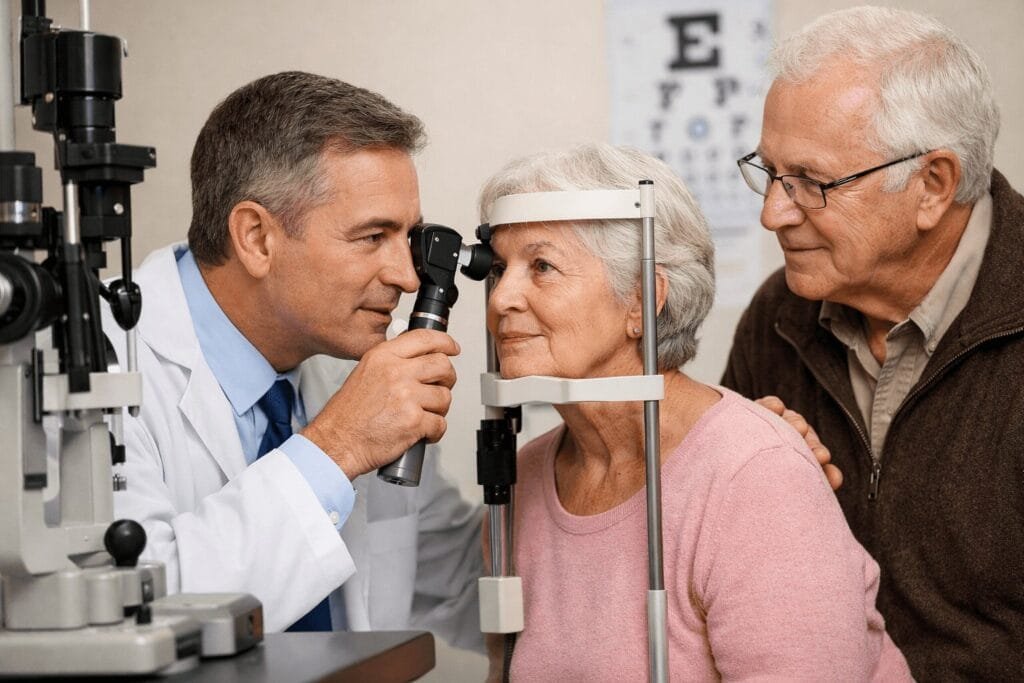
- To rule out infection or other eye disorders, examine the conjunctiva and eyelids by a slit lamp inspection.
- Allergy testing like skin prick or blood test may be conducted to determine the specific triggers.
Differentiating allergic conjunctivitis between bacterial or viral conjunctivitis is crucial as each requires specific treatment.
How to Manage and Treat Eye Allergies
Home Remedies and Allergen Control
Keep windows closed and stay indoors, when the pollen levels are high.
- Dust and mold can be reduced by indoor air purifiers/de-humidifiers.
- Wash face, hands and hair after being exposed to allergens outdoors.
- Regularly Wash bed sheets and pillowcases.
- Apply cool compresses over closed eyes for relief.
- Do not rub your eyes (it can worsen the condition).
- Apply allergens with preservative free artificial tears to cool the eye surface and dilute them.
Over-the-Counter (OTC) Treatments
Mild eye allergies can often be treated with eye drops available. Antihistamine or mast cell stabilizer drops help reduce itching, redness and watering. These symptoms can be reduced by using antihistamine or mast cell stabilizer drops. Combination drops are also applicable in case the symptoms are more common. In case of nasal allergies and eye irritation, Oral antihistamines may be an added advantage. If symptoms don’t get better after using these, it’s better to consult an eye doctor.
Prescription Treatments
When symptoms last for a long time or become severe, prescription medicines may be needed. Physicians can also recommend more intense anti-allergy or anti-inflammatory drops to reduce the swelling and pain. In other instances steroid eyedrop may be temporarily taken under medical attention. In some cases, steroid eye drops are used for a short time under medical care. For people with repeated allergies, immunotherapy such as allergy shots or tablets can help prevent future flare ups.
When to See an Eye Doctor
Seek professional attention if you experience:
- Even OTC treatment does not eliminate symptoms.
- Pain, blurred vision or high sensitivity to light.
- Thick or coloured discharge from the eye.
- Swelling or involvement of only one eye (which may suggest infection).
- Children or adults with chronic and recurrent allergic eye symptoms.
Prevention Tips
- Check pollen levels and stay indoors when they are high.
- Wear sunglasses outside to keep allergens out of your eyes.
- Keep your home clean and dry to prevent dust and mold.
- Avoid contact lenses when your eyes are irritated.
- Follow the advice of your eye doctor for long-term care.
Conclusion
Eye allergies are the result of an immune system reaction to common allergens. It can be triggered by the symptoms such as itching, redness and excessive tearing. Clear awareness of symptoms is the initial step in how to manage eye allergies. Early diagnosis, proper management and the right combination of trigger avoidance, home care and appropriate treatment can greatly improve quality of life. At Aarya Eye Care, the best eye hospital in Thrissur, we ensure timely diagnosis and personalized treatment plans. If you notice persistent or worsening eye symptoms, avoid self-diagnosis and schedule a consultation with a qualified ophthalmologist.