
Eye Twitching: Causes, Prevention, and Quick Relief Tips
Have you ever suddenly experienced an unexpected eyelid spasm? Eye twitching, medically known as myokymia, is a brief and involuntary spasm of the eyelid muscles. It is a common condition and generally harmless, but it can become distracting, uncomfortable, or worrisome especially when it persists for long periods. This guide explains the key causes of eye twitching, effective prevention strategies, and practical relief tips to help you manage the condition with confidence.
What Is Eye Twitching?
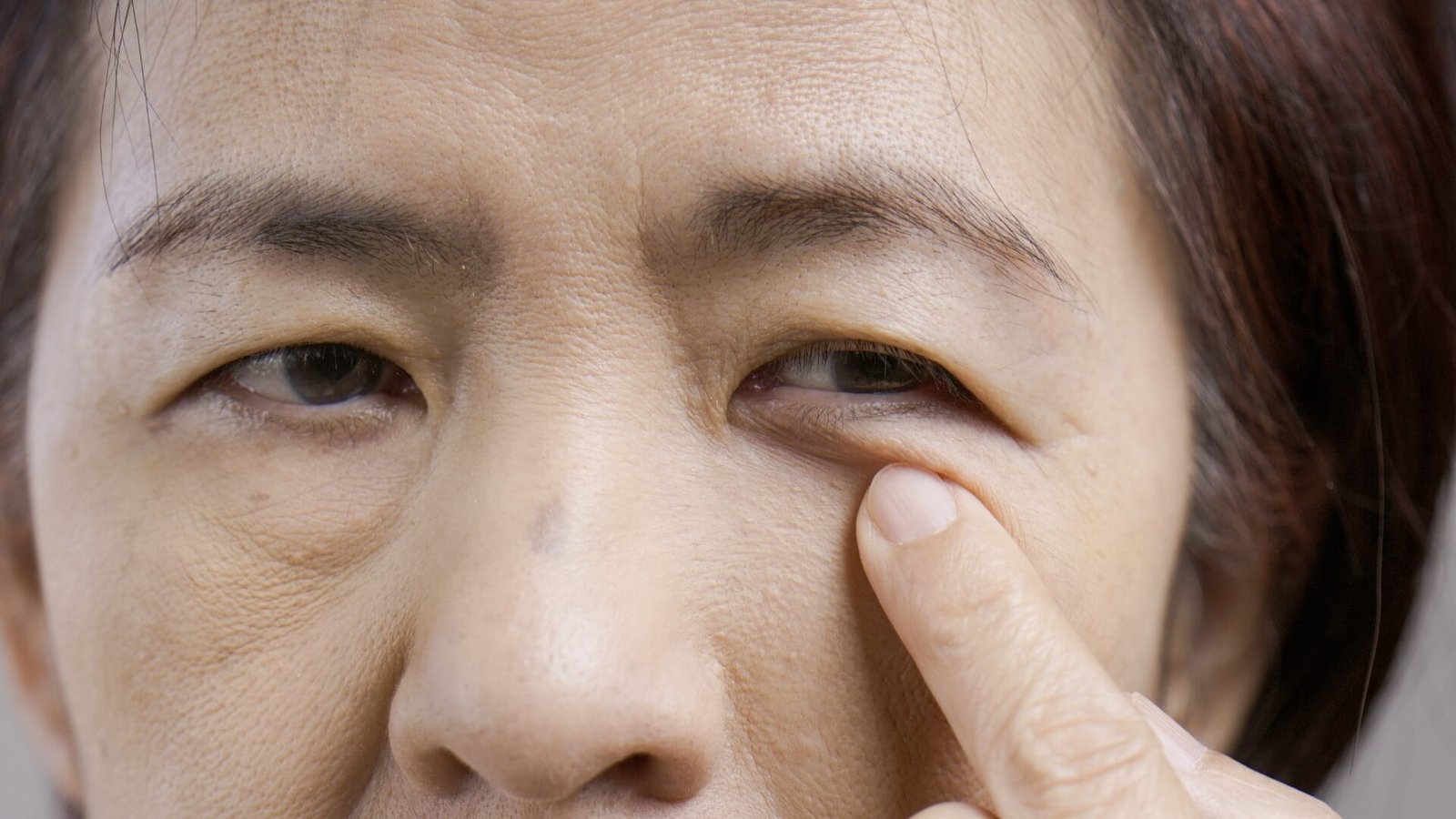
Eye twitching is an involuntary contraction of the muscles in the upper or lower eyelid. These spasms can vary from mild, barely noticeable flickers to more persistent movements that can disrupt daily activities:
Different forms include:
- Minor eyelid twitching (myokymia): The most common and usually temporary. typically resolving on its own.
- Benign essential blepharospasm: A rare condition involving repeated involuntary blinking or eyelid closure.
- Hemifacial spasm: A stronger and nerve-related spasm affecting one side of the face.
Most eyelid twitches resolve on their own without treatment, especially when triggers are identified and managed early.
Common Causes of Eye Twitching
Fatigue and Lack of Sleep
Tired eye muscles can often trigger eye twitching. Insufficient sleep and long hours of visual focus also trigger this condition. Getting 7 to 9 hours of quality sleep and proper rest can reduce it.
Stress
Stress can affect the nerves and make your eyelid twitch. Taking deep breaths, meditating, short walks, or even taking brief breaks from the screen can relax muscles around the eyes.
Eye Strain and Screen Overuse
Prolonged use of digital devices also leads to exhaustion of eye muscles and lowers the rate of blinking. Since it causes twitching, follow the 20-20-20 rule: every 20 minutes look 20 feet away for 20 seconds.
Caffeine or Alcohol Consumption
Consumption of caffeine or alcohol can trigger eyelid spasms. Limiting these drinks reduces eye twitching.
Dry Eyes
Dryness is common in contact lens users, older adults, and people who spend long hours in air-conditioned or heated environments. Artificial tears, proper hydration, and blinking exercises can relieve dryness-related twitching.
Nutritional Deficiencies
Deficiency of magnesium, vitamin B 12 or potassium may influence muscle activity and cause twitching of the eyes. Foods such as leafy greens, nuts, seeds, fish and fruits help maintain a normal level of nutrients.
Allergies
Allergic reactions cause itching and swelling which can lead to people rubbing their eyes. This releases histamine in the eyelid tissues, which can trigger spasms. This can be managed using antihistamine drops or by avoiding known triggers.
When to See a Doctor
Although most eye twitches are harmless, some symptoms may indicate an underlying issue which may require medical attention.
- Twitching that lasts longer than a week
- Twitching spreading to other parts of the face
- Redness, swelling or persistent irritation
- Pain or vision problems
- Spasms accompanied by drooping eyelids
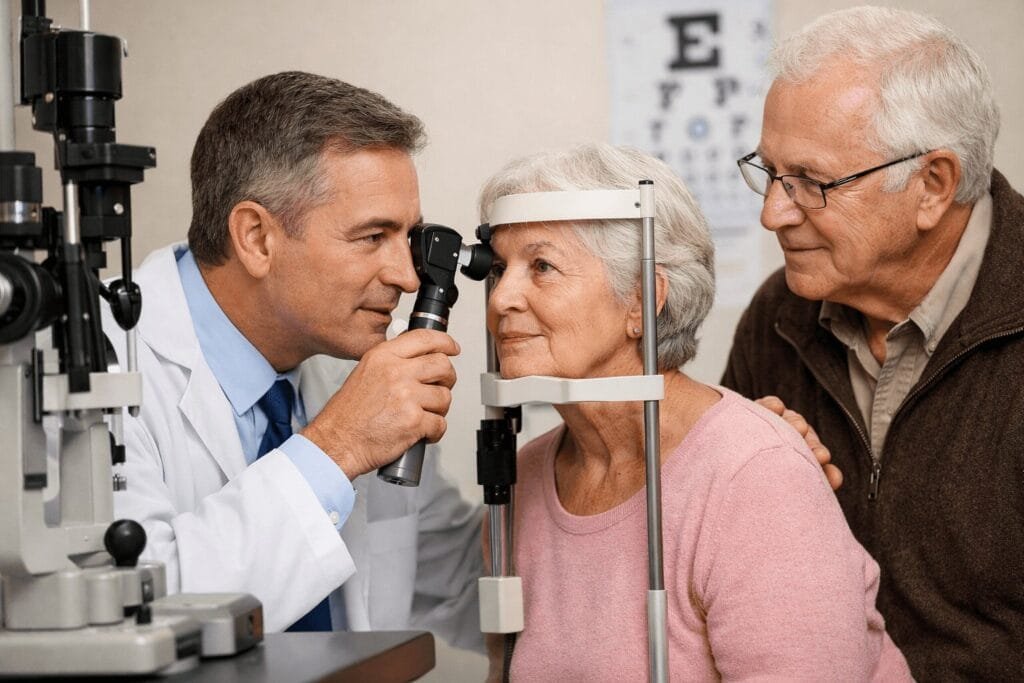
Blepharospasm, hemifacial spasm or corneal inflammation are the possible medical conditions that may be associated with these symptoms. An ophthalmologist or neurologist can determine the cause through a detailed examination.
Quick Relief Tips for Eye Twitching
- Warm Compress
A warm compress helps to relax the eyelid muscles and can quickly reduce twitching.
- Lubricating Eye Drops
Using lubricating drops can keep the eyes moist and lower irritation that often triggers spasms.
- Limit Screen Time
Taking breaks from screens and blinking more often reduces digital eye strain and helps stop twitching.
- Reduce Caffeine and Alcohol
Limited consumption of caffeine and alcohol calms overstimulated nerves for making eyelid twitching less frequent.
- Stay Hydrated
Drinking enough water prevents dryness and muscle strain that can lead to twitching.
- Get Proper Sleep
Good sleep helps your eye muscles to recover and reduces the chance of twitching the next day.
- Manage Stress
Manage stress with simple stress relief methods like deep breathing or stretching, help relax the nerves that cause eyelid spasms.
Prevention Tips
- Maintain regular and quality sleep to prevent tired eyes and twitching.
- Follow the 20-20-20 rule by taking short breaks from screens often to reduce eye strain
- A diet rich in magnesium, vitamin B12, and potassium essential for proper muscle and nerve function.
- Avoid rubbing to protect the delicate muscles and tissues around your eyes.
- Some relaxation techniques that can ease the stress that causes twitching include yoga, walking and breathing exercises.
- Regular eye check ups can be used to monitor instances of dryness, strain or underlying problems which may lead to twitching.
For personalized prevention guidance, Aarya Eye Care, a leading eye care hospital in Thrissur, offers expert advice on effective eye twitching prevention to help you maintain eye health.
Frequently Asked Questions
Is eye twitching a sign of stress or fatigue?
Yes, both are among the common triggers.
Can eye twitching be related to vitamin deficiency?
Yes, low magnesium, vitamin B12 or potassium can contribute to spasms.
How long does eye twitching usually last?
Mostly, it lasts a few seconds to minutes and resolves within days.
When should I see a doctor for eye twitching?
If twitching takes longer than a week and involves facial muscles or is accompanied by pain and vision problems, seek medical advice.
Can eye twitching affect my vision?
Generally, Myokymia does not impact vision, but persistent symptoms may signal an underlying condition. So it’s important to have it evaluated.
Conclusion
Eye twitching is usually harmless and often settles on its own, but when it becomes frequent or lasts longer than usual, it may signal a deeper issue and may require medical evaluation. Understanding the factors that trigger eye twitching and practicing simple eye twitching prevention habits can help control the problem and reduce discomfort. If your twitching continues or starts affecting your daily routine, consult the specialists at Aarya Eye Care, the best eye care hospital in Thrissur, for a thorough evaluation and effective treatment. Early care leads to better outcomes, so listen to your eyes and ensure clear vision for tomorrow.