

How Lifestyle Habits Damage Your Eyes
Have you noticed persistent dryness or blurred vision after a long day and assumed it is simply part of daily life? Modern eye diseases are strongly influenced by modern lifestyle habits. From prolonged screen exposure to poor nutrition and chronic dehydration, many everyday lifestyle habits gradually compromise eye health in ways that are silent, progressive, and often unnoticed until visual function is significantly affected. The eye is highly sensitive to changes in blood flow, tear stability, retinal function, and optic nerve health. Over time, unhealthy routines can trigger eye damage caused by lifestyle, leading to long-term eye health problems. This blog explains how lifestyle habits damage your eyes, what conditions they cause, and how you can prevent avoidable vision problems through early awareness and care.
Why Lifestyle Directly Affects Eye Health
The eyes operate under exceptionally high metabolic demand, requiring constant oxygen supply, efficient blood circulation, and antioxidant protection to sustain retinal and optic nerve function. Because these tissues are highly sensitive, even minor disruptions in vascular flow, nutrition, or oxidative balance can lead to cumulative cellular injury. This is how lifestyle habits damage eyes, with factors such as poor diet, smoking, dehydration, prolonged screen exposure, and inadequate protection gradually weakening ocular resilience. Over time, these patterns increase the risk of chronic eye disease and avoidable vision decline, making consistent attention to eye health a critical priority.
Digital Screen Exposure & Eye Damage
Prolonged screen use significantly reduces blink frequency, which accelerates tear evaporation and destabilises the protective tear film. This leads to ocular surface irritation, corneal inflammation, and persistent discomfort. Over time, excessive screen time contributes to digital eye strain, chronic dry eye disease and meibomian gland dysfunction, where the oil glands fail to maintain tear stability. For many individuals, recurring dry eyes from screen exposure are an early sign of lifestyle-driven ocular stress.
Smoking & Retinal Degeneration
Smoking introduces high levels of oxidative stress that directly impair retinal circulation and reduce oxygen delivery to the photoreceptors. This accelerates degenerative damage within the macula and increases the risk of age-related macular degeneration, cataracts and progressive optic neuropathy. Clinically, smoking damages eyes at a structural level and remains one of the strongest preventable contributors to vision loss.
Poor Diet and Nutrient Deficiency
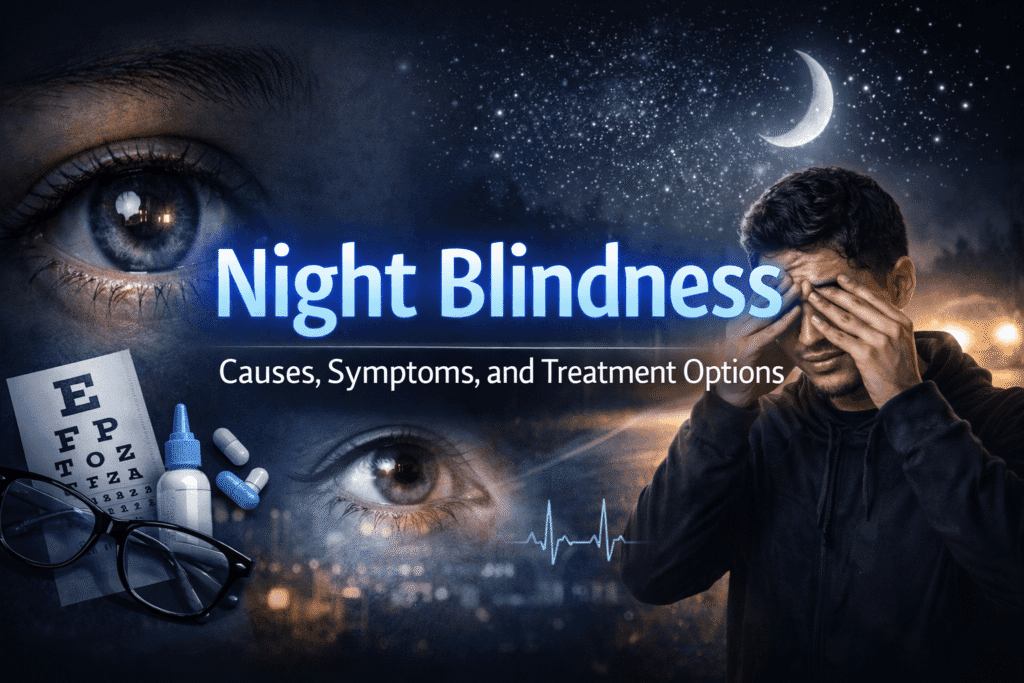
The retina requires specific nutrients to maintain cellular integrity and protect against oxidative injury. Vitamin A supports night vision, Omega-3 fatty acids stabilise tear function, and lutein plays a critical role in macular defence. This is a clear example of how lifestyle habits damage your eyes, as nutritional deficiency can lead to night blindness, retinal vulnerability and long-term degeneration. Prioritising foods for eye health helps reduce vitamin deficiency related eye problems and strengthens overall retina health.
Dehydration & Tear Film Failure
Tears are a complex mixture of water, oils, proteins and immunological components that maintain ocular comfort and clarity. Dehydration disrupts this balance, leading to tear film instability and increased surface dryness. Persistent fluid deficiency is a common trigger for dehydration, dry eyes, irritation and chronic discomfort, particularly in dry climates or high screen-use environments.
Eye Rubbing & Corneal Damage
Frequent eye rubbing creates mechanical stress on the cornea and may gradually weaken its structure. Over time, this can contribute to corneal thinning and the development of keratoconus, a condition where the cornea becomes distorted and vision declines. Habitual rubbing is a significant cause of preventable eye health problems. Eye rubbing damages and progresses corneal disease.
UV Exposure & Cataract Formation
Chronic ultraviolet exposure accelerates oxidative injury within the lens, leading to protein breakdown and premature clouding. Without adequate protection, UV damage to the eyes remains a major factor among early cataract causes. Since UV exposure is one of the major lifestyle habits that damage eyes, consistent use of UV-blocking eyewear is essential for long-term lens protection.
How to Protect Your Eyes
Practical lifestyle corrections can significantly reduce ocular damage:
- Follow the 20-20-20 rule to minimise digital eye strain
- Blink consciously during prolonged screen work
- Use preservative free lubricating drops for dry eye symptoms
- Avoid smoking to protect retinal circulation
- Eat antioxidant-rich foods to support macular health
- Stay hydrated to prevent tear film instability
- Never rub the eyes to reduce corneal stress
- Wear UV protective sunglasses outdoors
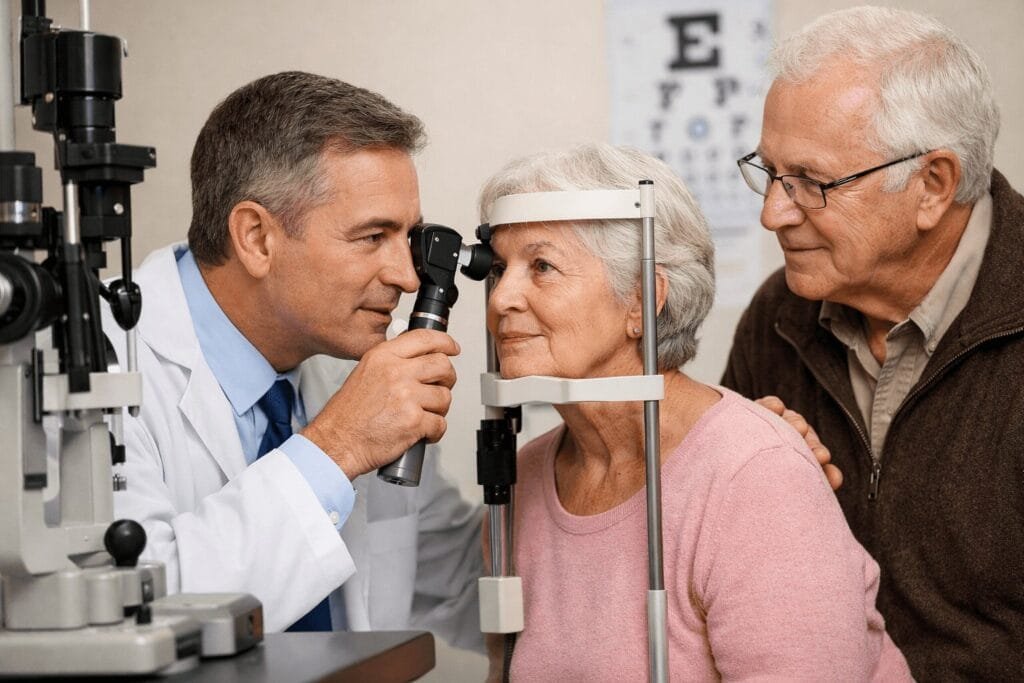
- Schedule regular eye exams for early detection
These evidence-based eye care tips are essential to prevent eye damage caused by lifestyle and preserve long-term vision quality.
Read: Daily Eye Exercises to Reduce Strain and Strengthen Muscles
Conclusion
Lifestyle choices influence the eyes at a cellular level, affecting tear stability, retinal circulation, and long-term optic nerve health. Over time, unmanaged lifestyle habits damage your eyes, leading to silent progressive harm to the eyes. The good news is that most lifestyle-related vision loss is preventable through early correction, routine screening, and consistent care. Building stronger eye health awareness and scheduling regular eye check-ups are essential steps to protect your vision before irreversible damage occur.