
Night Blindness: Causes, Symptoms, and Treatment Options
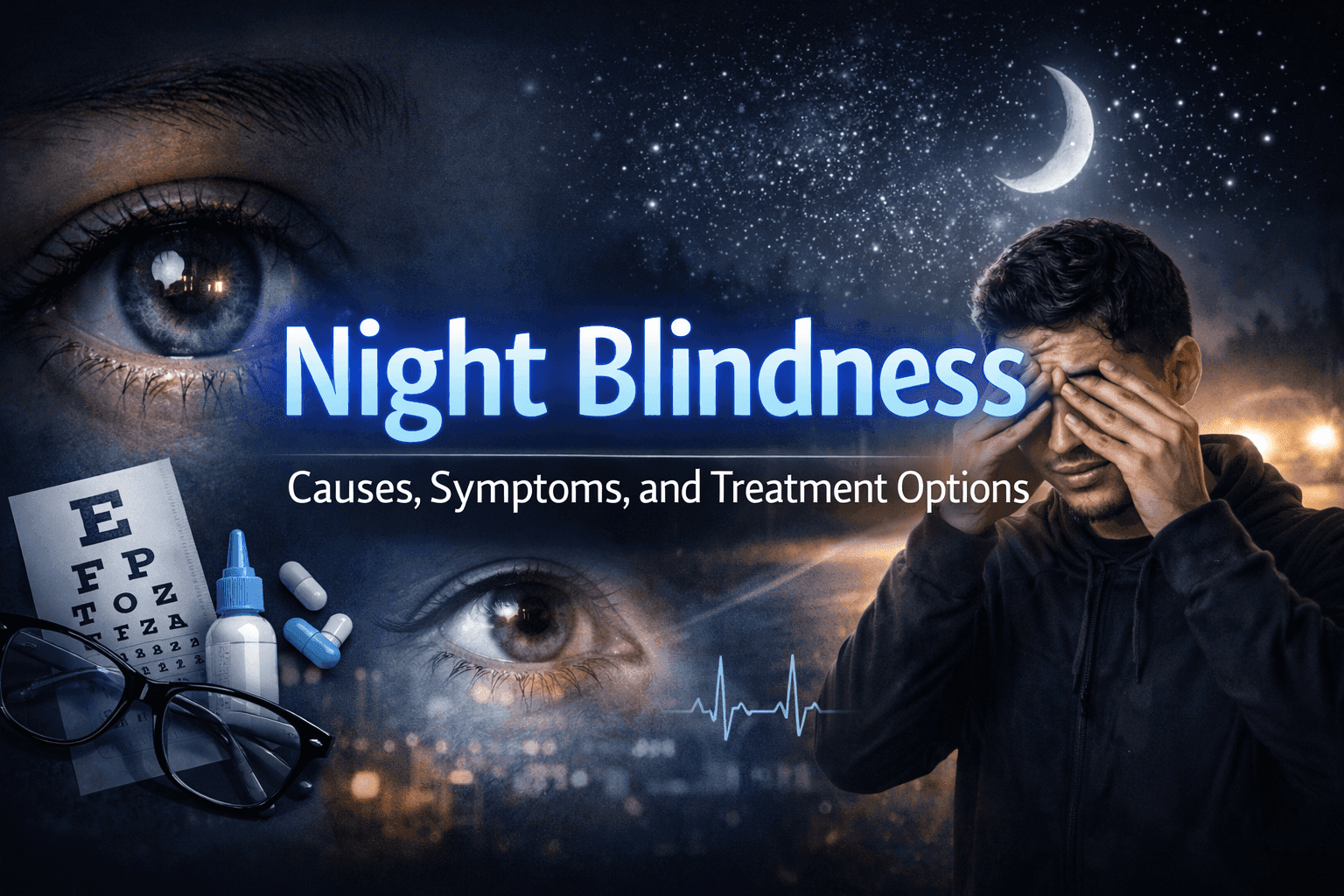
If dim environments suddenly feel unsafe, headlights seem too bright, or your eyes take longer to adjust to darkness, you may be experiencing night blindness. medically known as nyctalopia. It is not a disease by itself but a symptom that may signal underlying eye conditions affecting vision in low-light environments. These problems occur when the eye struggles to adapt to darkness or when retinal cells responsible for low-light vision do not function properly. Several conditions can cause poor night vision, including vitamin A deficiency, retinal disorders, cataracts, and refractive errors. Early diagnosis helps guide the right night blindness treatment.
What Is Night Blindness (Nyctalopia)?
Nyctalopia is the medical term used to describe difficulty seeing in dim light or at night. Individuals with this condition may find it hard to navigate dark spaces, drive at night, or adjust when lighting conditions change. Night blindness occurs when the retina cannot respond effectively to low light. The retina contains specialized photoreceptor cells that detect light and send visual signals to the brain. When these cells do not function properly, vision in dark environments becomes difficult. This condition is usually considered a symptom rather than a disease because it often results from other eye disorders. Identifying the causes of nyctalopia helps doctors determine the most appropriate night blindness treatment.
How the Eye Sees in Low Light
Structure of the Retina
The retina is the light-sensitive layer at the back of the eye that converts light into signals interpreted by the brain. It contains photoreceptor cells that allow the eye to detect light and produce vision.
The retina contains two main types of photoreceptors.
- Rod cells, responsible for detecting dim light and enabling night vision
- Cone cells, responsible for color vision and daylight clarity
Rod cells make up about 95% of the retina’s photoreceptors and are essential for seeing in dark environments.
The Role of Rhodopsin
Rhodopsin is a light-sensitive pigment found in rod cells that helps detect light in dim conditions. Vitamin A plays a key role in the formation of rhodopsin. When the body lacks vitamin A, rhodopsin production decreases, leading to vitamin A deficiency, night blindness, and reduced sensitivity to low light.
Dark Adaptation
Dark adaptation refers to the eye’s ability to adjust when moving from a bright environment into darkness. In healthy vision, rod cells gradually increase their sensitivity to detect dim light. People with night vision problems often struggle with this process, making it difficult to see clearly in low-light conditions.
Common Causes of Night Blindness
Night blindness can develop when light cannot reach the retina effectively or when retinal cells fail to function normally.
Vitamin A Deficiency
One of the most common night blindness causes worldwide is vitamin A deficiency. This nutrient is essential for producing rhodopsin in rod photoreceptor cells.
Individuals at higher risk include:
- People with malnutrition
- Patients with intestinal absorption disorders
- Individuals with liver disease
- Patients who have undergone gastric bypass surgery
Without adequate vitamin A, rod cells cannot respond effectively to dim light.
Retinitis Pigmentosa
Retinitis pigmentosa is a genetic retinal disorder that gradually damages rod cells. As the disease progresses, patients develop worsening night vision problems and reduced peripheral vision.
Cataracts
Cataracts cause clouding of the eye’s natural lens, preventing sufficient light from reaching the retina. This often results in glare, halos around lights, and difficulty seeing at night.
Severe Myopia
Severe nearsightedness can also contribute to poor night vision, especially in low-light environments where visual clarity is already reduced.
Glaucoma
Glaucoma damages the optic nerve and may lead to peripheral vision loss. In some cases, patients also experience problems with night vision.
Complications After Vision Surgery
Some individuals experience temporary halos, glare, or reduced night vision after procedures such as LASIK or PRK.
Symptoms of Night Blindness
Night blindness symptoms vary depending on the underlying condition. Common signs include:
- Difficulty seeing in dim lighting
- Trouble driving at night
- Slow adjustment when entering dark environments
- Blurred vision in low light
- Halos around lights
- Glare from headlights
- Reduced contrast sensitivity
Many people also report delayed adaptation when moving from bright light into darkness.
Who Is at Higher Risk of Night Blindness?
Certain individuals have a higher risk of developing night vision problems, including:
- People with vitamin A deficiency
- Individuals with inherited retinal disorders
- Older adults
- Patients with diabetes
- Individuals with cataracts
- People with severe myopia
- Patients who have undergone refractive eye surgery
Early eye examinations are recommended for people in these groups.
How Night Blindness Is Diagnosed
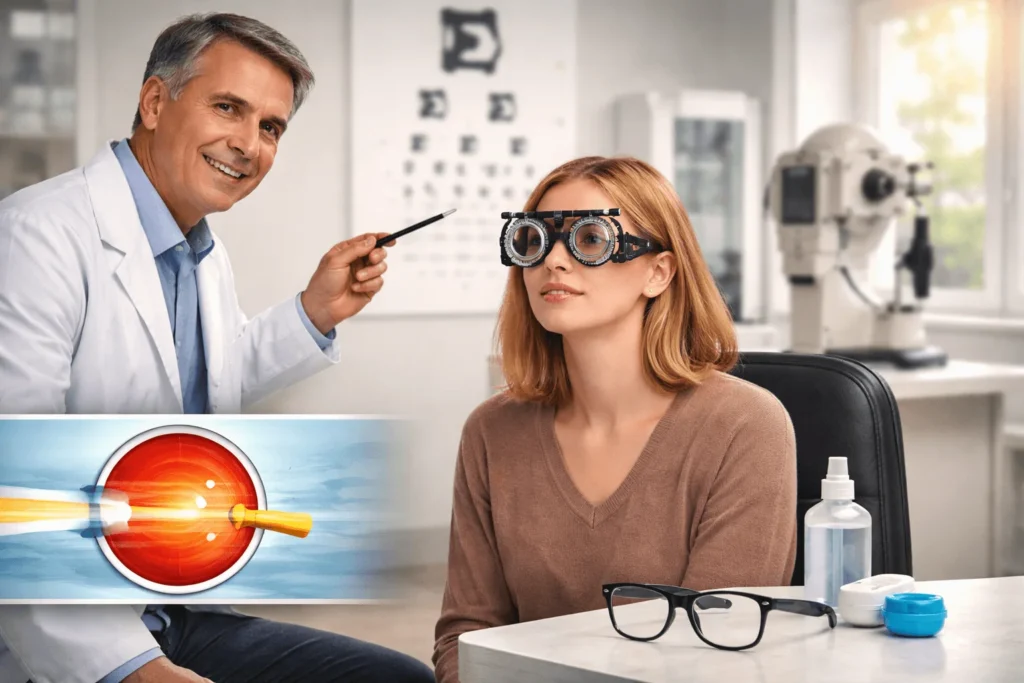
Doctors diagnose nyctalopia by identifying the underlying cause through several tests.
● Eye Examination
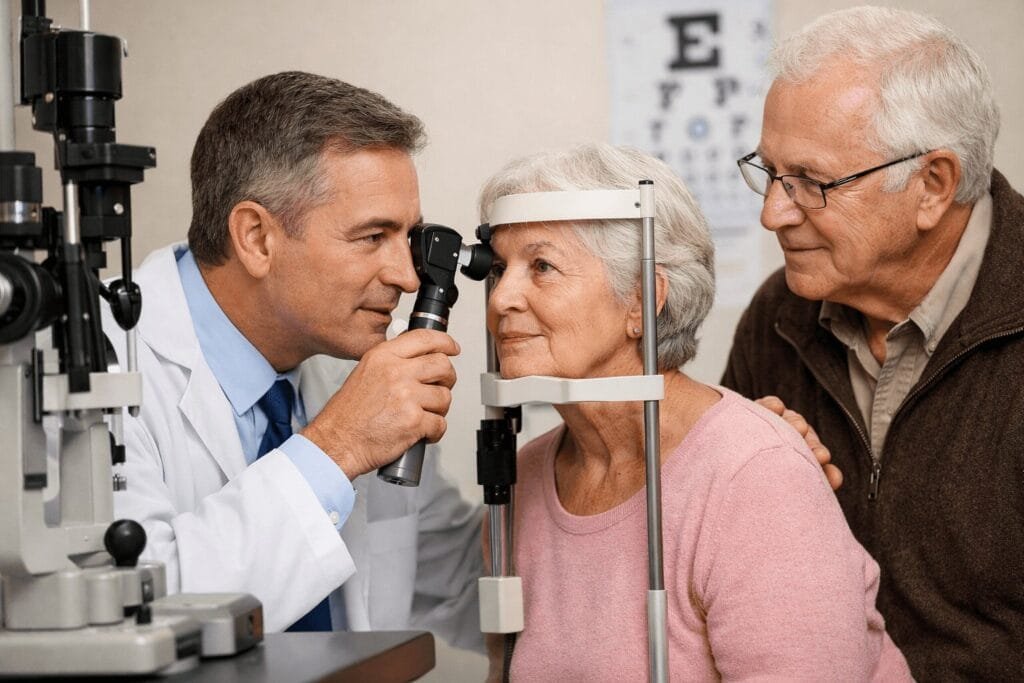
A comprehensive eye exam includes visual acuity testing and a detailed retinal evaluation.
● Dark Adaptation Test
This test measures how quickly the eye adjusts to darkness.
● Electroretinography (ERG)
ERG evaluates how well rod and cone cells respond to light.
● Visual Field Test
This test checks peripheral vision and detects retinal or optic nerve damage.
● Blood Tests
Blood tests can detect vitamin deficiencies that may contribute to night blindness.
Multiple tests are often used to confirm the causes of nyctalopia.
Treatment Options for Night Blindness
How to treat night blindness? The appropriate night blindness treatment depends on the underlying cause. Specialized eye centers such as Aarya Eye Care provide advanced diagnosis and treatment for patients experiencing night vision problems.
Vitamin A Supplementation
When vitamin A deficiency is the cause, dietary changes and supplements may restore normal night vision.
Foods rich in vitamin A include:
- Carrots
- Sweet potatoes
- Spinach
- Eggs
- Dairy products
- Fish liver oils
Improvement may occur within a few weeks once vitamin levels are restored.
Corrective Eyewear
Prescription glasses or contact lenses may improve poor night vision caused by refractive errors.
Cataract Surgery
When cataracts cause difficulty seeing at night, surgical removal of the cloudy lens and replacement with an artificial lens can restore clear vision.
Managing Retinal Disorders
For genetic retinal diseases, treatment may focus on slowing disease progression and preserving remaining vision.
Treating Underlying Medical Conditions
Proper management of conditions such as diabetes or glaucoma may help reduce worsening night vision problems.
Can Night Blindness Be Prevented?
In some cases, night blindness can be prevented by maintaining healthy eye habits and managing risk factors.
Preventive measures include:
- Consuming a balanced diet rich in vitamin A
- Scheduling routine eye examinations
- Managing chronic conditions such as diabetes
- Protecting eyes from excessive glare
- Wearing protective eyewear when needed
When Should You See an Eye Doctor?
It is advisable to visit an eye specialist if you have:
- Sudden difficulty seeing at night
- Trouble driving in low light
- Halos or glare around lights
- Gradual worsening of night vision
Night blindness should always be evaluated because it may signal an underlying eye disease.
Frequently Asked Questions
Can night blindness be cured?
In many cases, night blindness improves once the underlying cause is treated.
What vitamin deficiency causes night blindness?
Vitamin A deficiency is the most common nutritional cause.
Is night blindness permanent?
It depends on the cause. Some conditions are treatable, while others may require long-term management.
Can night blindness affect driving?
Yes. Many people with night blindness experience difficulty driving after dark.
Is night blindness common with aging?
Age-related eye conditions such as cataracts may increase night vision difficulties.
Can children develop night blindness?
Yes. Children with vitamin deficiencies or inherited retinal diseases may develop night blindness.
Conclusion
Night blindness is a symptom that can indicate several underlying eye conditions. Common night blindness causes include vitamin A deficiency, cataracts, retinal diseases, and refractive errors. Recognizing night blindness symptoms early allows doctors to identify the cause and recommend appropriate night blindness treatment. Timely diagnosis and regular eye examinations are essential to protect vision and prevent complications. For expert evaluation and advanced eye care, patients can consult Aarya Eye Care, recognized as the best eye care hospital in Thrissur, where experienced specialists provide comprehensive diagnosis and treatment for night vision problems.