

Photophobia: What It Means and Why It Happens
When light begins to feel harsh instead of comforting, your eyes are responding to something deeper. Photophobia refers to an unusual discomfort or pain when exposed to light. This reaction occurs when the eye or brain senses an underlying issue disrupting the way light is processed. Photophobia is not a standalone illness. It is a symptom that often appears when the eye surface is irritated, the nerves are inflamed or the brain’s light pathways become overactive. People with migraines, dry eye disease or those recovering from eye procedures experience photophobia more often. In some patients, it becomes the earliest indicator of issues like infections, corneal injuries or internal inflammation. Understanding why it happens gives clarity, reduces concerns and guides people toward timely care.
What Is Photophobia?
Medically, photophobia means an intensified pain or sensitivity response whenever the eyes encounter light, whether from the sun, indoor bulbs or digital screens. It is different from normal sensitivity to light, which is usually caused by uncorrected spectacles or age related changes, and it should not be confused with poor night vision. In photophobia, the eye’s sensory nerves become overly reactive. Even normal lighting can feel harsh because the signals sent to the brain are amplified.
The condition can present as:
- Mild photophobia, where light feels uncomfortable
- Moderate photophobia, where daily activities become harder
- Severe photophobia, where light exposure feels unbearable
This variation in intensity helps doctors identify the underlying cause.
Common Signs and Symptoms
Photophobia symptoms often appear gradually but may also strike suddenly depending on the cause. People describe it as a burning, piercing or pressure like sensation triggered by light.
Typical symptoms of photosensitivity eyes include:
- Pain or discomfort when facing bright light
- Excessive tearing
- Headaches or migraines triggered by brightness
- A burning or gritty feeling
- Difficulty keeping eyes open
- Sensitivity to sunlight, phone screens or LED bulbs
- Strain or fatigue with digital devices
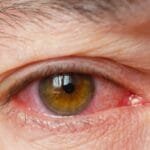
If photophobia symptoms appear with redness, sudden vision loss or swelling, it may indicate a more urgent medical problem.
Why Photophobia Happens
Eye Related Causes
Most cases of photophobia originate from the eye itself, where irritation or structural changes overstimulate the light sensitive nerves. Photophobia causes such as dry eye syndrome, corneal scratches, infections and keratitis are common triggers. Internal inflammations like uveitis or iritis, cataracts that scatter light and glaucoma can also heighten sensitivity. Post-surgery light intolerance, especially after cataract or LASIK procedures, is fairly common. Incorrect or prolonged contact lens use further aggravates the eye surface and intensifies light discomfort.
Neurological Causes
When the brain’s sensory pathways become overactive or inflamed, even soft lighting can feel overwhelming. Migraines remain the leading neurological cause, followed by head injuries, concussions and optic neuritis. The conditions such as meningitis require urgent care, while cluster headaches and brain inflammation can also result in strong light intolerance.
Systemic or Medical Causes
Bodywide medical conditions often alter nerve behaviour, making the eyes more reactive to light. Autoimmune disorders like lupus or Sjögren’s, sinus infections, vitamin A or B2 deficiencies and diabetes related nerve changes can all contribute to persistent photophobia. These conditions often intensify light sensitivity symptoms, especially when inflammation or nerve irritation is involved.
Medication Triggered Photophobia
Certain medications temporarily increase sensitivity to light as a side effect. These may include specific antibiotics, diuretics, antihistamines, acne treatments and occasionally birth control pills. Photosensitivity in the eyes usually improves once the medication is adjusted or discontinued under proper medical guidance.
Lifestyle and Environmental Triggers
Modern lifestyle habits play a significant role in escalating light intolerance. Extended screen exposure, harsh glares, high UV levels and continuous blue light from digital devices strain the visual system. Reduced blinking during screen time further dries the eye surface, worsening sensitivity.
How Photophobia Is Diagnosed
Diagnosis starts with identifying whether the sensitivity comes from the eyes, nerves or an underlying medical condition. Doctors typically perform a complete eye exam, followed by corneal surface checks and tear film analysis to detect dryness or irritation. Retina and optic nerve imaging helps rule out deeper issues and intraocular pressure tests screen for glaucoma. If the light sensitivity symptoms point beyond the eye, neurological evaluation is added. When infection or inflammation is suspected, specific lab tests provide confirmation. This structured approach helps pinpoint the exact cause and ensures appropriate treatment.
Treatment Options Based on the Cause
Dry Eye Treatment
When photophobia stems from dry eye disease, improving surface moisture usually brings meaningful relief. Doctors may recommend lubricating eye drops, warm compresses to boost oil gland function and regular screen breaks to reduce evaporation. Omega 3 supplements also support a healthier tear film and enhance overall light sensitivity treatment outcomes.
Corneal or Infection Based Treatment
If the cornea is injured or infected, sensitivity reduces as the surface heals. Treatment often includes antibiotic or antiviral drops, along with anti inflammatory medication to control pain and swelling. Recovery timelines vary, but most patients experience steady improvement once the infection or abrasion is resolved.
Migraine Triggered Photophobia
Light sensitivity linked to migraines improves when the underlying headache patterns are controlled. Treatment may involve preventive or acute migraine medication, careful trigger management and keeping a headache diary to identify patterns. Adjusting lighting conditions and reducing screen glare also plays a key role in controlling discomfort.
Neurological or Systemic Treatment
For photophobia rooted in neurological or systemic disorders, treating the primary condition becomes the priority. In cases such as meningitis or severe inflammation, hospitalization and immediate intervention may be required. Once the underlying issue is stabilized, light sensitivity usually decreases.
Sensitivity After Eye Surgery
Temporary photophobia is common during recovery from procedures like LASIK or cataract surgery. A normal healing timeline is expected, but patients must be aware of red flags such as sharp pain, worsening redness or reduced vision. Following the surgeon’s post operative guidelines helps ensure a smooth recovery and prevents complications.
Daily Relief Measures That Really Help
Simple lifestyle changes can significantly reduce day to day discomfort from photophobia. Wearing UV400 sunglasses outdoors offers strong protection, while avoiding flickering or harsh fluorescent lighting reduces strain indoors. Using caps or hats, adjusting screen brightness, applying blue light filters and choosing warm ambient lighting can also help manage sensitivity. It is important to avoid relying on dark glasses indoors, since prolonged use can make the eyes more light dependent over time.
When Photophobia Is a Medical Emergency
Certain symptoms paired with photosensitivity eyes require immediate medical attention. These include severe headache with fever, eye pain accompanied by redness, sudden vision changes or seeing halos around lights. Sensitivity to light following an injury or occurring with a stiff neck may indicate any neurological or infectious condition and should be evaluated urgently.
Conclusion
Photophobia is a symptom that deserves proper evaluation, especially when it begins to interfere with daily activities. With the right diagnosis of photophobia causes and targeted treatment, most people experience significant relief and regain comfort in normal lighting conditions. For precise diagnosis and specialised management, Aarya Eye Care, widely regarded as the best eye care hospital in Thrissur, delivers comprehensive, technology driven solutions for light sensitivity and an extensive range of advanced eye care services.
Frequently Asked Question
Can photophobia be permanent?
When the underlying cause is treated, most cases resolve. Although chronic conditions may lead to long lasting sensitivity. Early evaluation improves outcomes and helps prevent long term discomfort.
Does photophobia mean my eyesight is damaged?
Not always. Many causes involve nerve irritation or surface dryness rather than direct vision loss. A proper eye exam can clarify whether any structural issues are present.
Why does light cause headaches?
Light activates pain pathways in the brain, especially in people with migraines, leading to headache and discomfort. Managing triggers and controlling environmental lighting often reduces the intensity.
Can children have photophobia?
Yes. It can occur due to infections, refractive errors or migraines. Persistent sensitivity in children should be examined promptly, and consulting a trusted Eye hospital in Thrissur helps ensure accurate evaluation.