
What Causes Squint in Children? Common Reasons Every Parent Should Know
Children’s eyes have a critical role in how they see, learn and interact with the world. Even a subtle imbalance in eye alignment can affect how vision develops, sometimes quietly, until the effects become long lasting. A squint, medically called strabismus, occurs when the eyes fail to focus in the same direction. Squint in children is a common childhood eye concern, and without early attention, it may disrupt depth perception and lead to permanent vision loss in one eye. This is why early eye checkups are important and why parents can rely on the best eye care hospital in Kerala for timely diagnosis and effective treatment. This article explores the most common causes of squint in children and explains how early care supports healthy vision development.
What Is a Squint in Children?
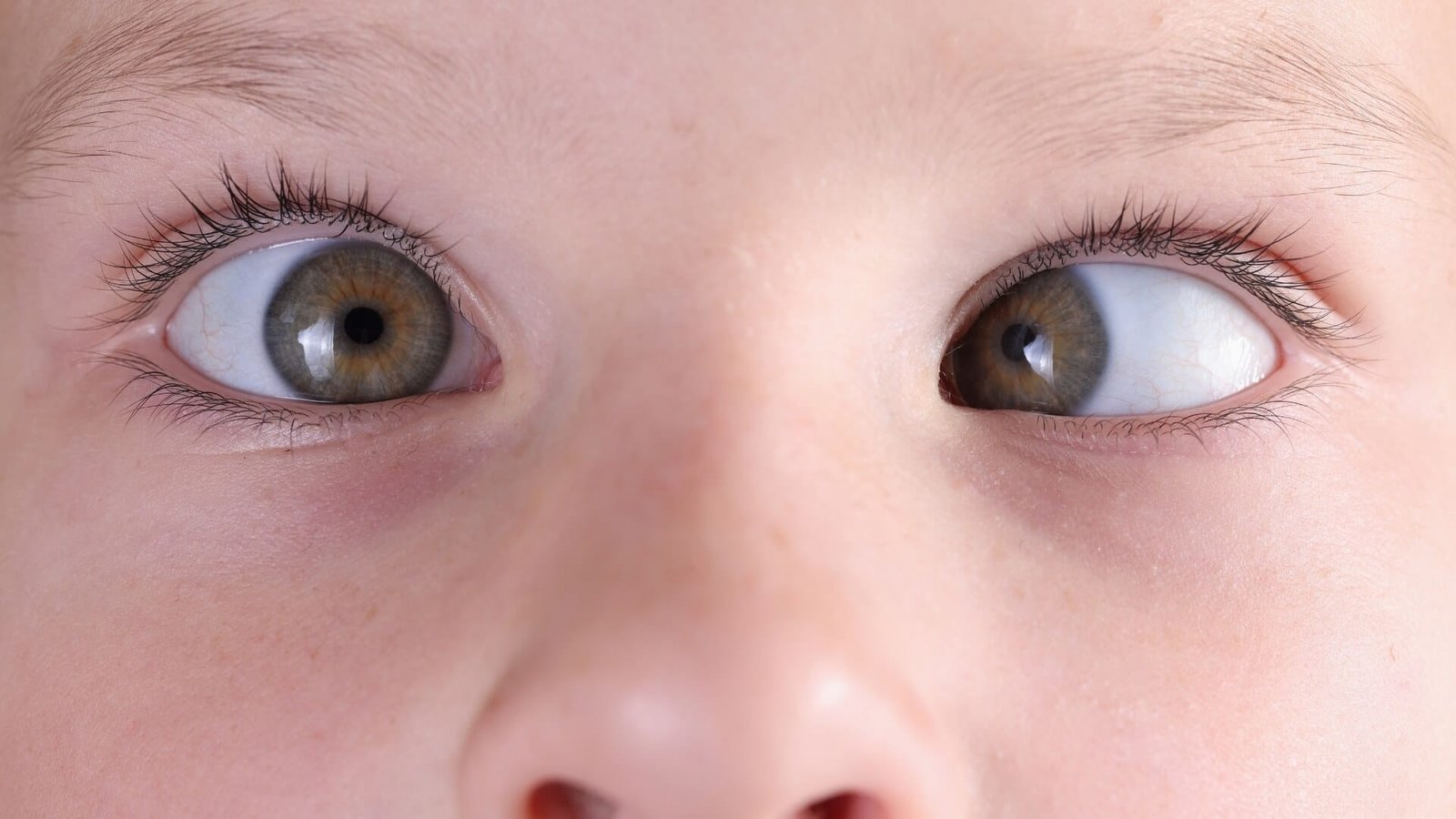
A squint, also known as strabismus, is a condition where the eyes do not align in the same direction. Often described as crossed eyes in children, it may involve one eye turning inward, outward, upward or downward.
Healthy vision requires both eyes to move in sync, with the brain combining signals from each eye to form a single and clear image. When this coordination is disturbed, one eye may begin to drift, affecting normal visual development.
Although mild eye turning can occur during infancy, persistent misalignment beyond the early months is not considered normal and should be assessed by an eye specialist.
Common Causes of Squint in Children
Understanding the common causes of squint in children is the first step toward early diagnosis and effective treatment. Let’s take a closer look at the key factors involved.
Refractive Errors
Refractive errors in kids, such as farsightedness or astigmatism, can force the eyes to work harder to maintain clear focus. This constant strain may gradually lead to misalignment, making squint in children more likely, especially during early visual development. Early correction with glasses can often prevent worsening alignment.
Eye Muscle Imbalance
An eye muscle imbalance occurs when the muscles controlling eye movement are unevenly strong or tight. In strabismus in kids, this imbalance prevents both eyes from staying aligned, causing one eye to drift inward or outward. Muscle related squint may require therapy or surgical correction depending on severity.
Genetic Factors
A family history of squint increases the risk of developing eye misalignment. Genetics contribute to many childhood eye problems, so early screening is important for children with a family history of eye conditions. Parents should seek evaluation even if the squint appears mild.
Lazy Eye (Amblyopia)
Lazy eye in children, known as amblyopia, develops when the brain begins to favor one eye over the other. Over time, the weaker eye may lose proper focus and alignment, contributing to squint. Early treatment is critical to restore balanced vision.
Premature Birth & Development Issues
Children born prematurely may face delays in vision development in children, increasing the likelihood of eye coordination problems and squint during early growth. Regular eye monitoring is strongly recommended in such cases.
Neurological Causes
In rare cases, nerve or brain related conditions can affect eye control. A timely evaluation by a pediatric eye doctor is important when squint is linked with developmental or neurological concerns. These cases require careful and specialized management.
Eye Injury or Disease
Trauma, cataracts or other underlying childhood eye problems can disrupt normal eye alignment and lead to squint, requiring prompt medical attention. Addressing the root cause early helps protect long-term vision.
Types of Squint in Children
Squint in children can appear in different forms depending on the direction in which the eye turns. In strabismus in kids, the most common types include:
- Esotropia: one eye turns inward toward the nose
- Exotropia: one eye drifts outward, away from the nasal side.
- Hypertropia: one eye drifts upward
- Hypotropia: one eye turns downward
Identifying the type of squint helps guide the most effective treatment approach.
Early Signs Parents Should Not Ignore
Recognizing the early signs of squint is essential for timely care. Parents should visit an eye clinic if they notice:
- One eye turning in or out
- Frequent head tilting or face turning
- Closing one eye in bright light
- Poor eye contact or focusing difficulty
- Frequent eye rubbing or blinking
Early symptoms may seem subtle but can signal developing misalignment.
Why Early Treatment Is Critical
Early treatment is vital because untreated squint can disrupt vision development in children. Over time, the brain may begin to ignore input from the misaligned eye, leading to lazy eye in children and permanent reduction in vision. Prompt correction supports healthy binocular vision and prevents long-term complications.
How Squint Is Treated
Effective squint treatment for children depends on the underlying cause and severity. Common options include:
- Glasses to correct refractive errors
- Patching to strengthen a weaker eye
- Vision therapy for children to improve eye coordination
- Squint correction surgery when muscle alignment needs adjustment
Early intervention significantly improves outcomes.
When to See a Pediatric Eye Doctor
Parents should consult a pediatric eye doctor as soon as squint is noticed, especially if:
- Eye turning persists beyond infancy
- The child shows vision difficulty or eye strain
- Head tilting or closing one eye becomes frequent
- There is a family history of squint
Early evaluation ensures the right treatment at the right stage.
Conclusion
Squint in children is a common condition, but it should never be overlooked. Early detection and timely treatment are essential to support normal vision development, prevent lazy eye, and avoid permanent visual impairment. With proper evaluation and an understanding of the real causes of squint in children, most children can achieve improved eye alignment and long-term visual health. Aarya Eye Care is the best eye care hospital in Thrissur, trusted for pediatric eye care and squint treatment for children, offering comprehensive and child-focused support.