
Bloodshot Eyes: Causes, Symptoms, and When to See a Doctor
Have you ever woken up and noticed your eyes suddenly look red in the mirror? Many people experience this and often assume it is simply the result of fatigue. However, bloodshot eyes are not always harmless. While mild redness can occur due to lack of sleep or minor eye irritation, it may sometimes indicate an underlying condition that requires medical attention. Redness occurs when the tiny blood vessels on the surface of the eye become enlarged or inflamed. The red eye causes may range from dryness and allergies to infections and other ocular disorders. Because many symptoms appear similar, self-diagnosis can often lead to incorrect treatment. Recognizing warning signs and understanding the causes of bloodshot eyes can help prevent complications. Specialists at Aarya Eye Care deliver precise diagnosis and effective treatment for persistent eye redness, making it the best eye care hospital in Thrissur.
What Are Bloodshot Eyes?
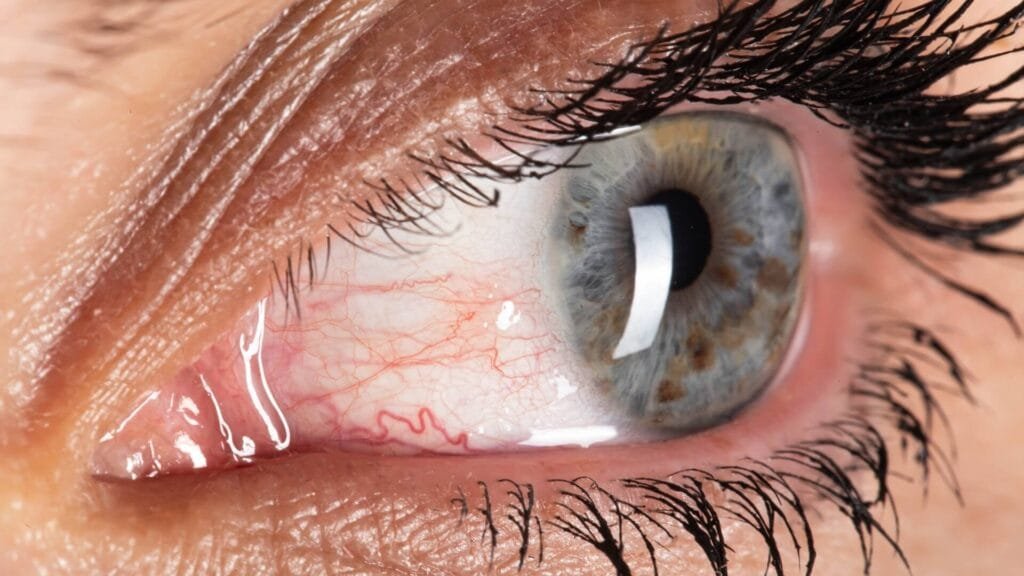
Bloodshot eyes refer to visible redness on the white part of the eye. This happens when the tiny blood vessels located in the conjunctiva become dilated or inflamed.
To understand the eye redness meaning, it helps to know the basic anatomy of the eye:
- Sclera – the white outer layer of the eye
- Conjunctiva – a thin transparent membrane covering the sclera
- Blood vessels – small vessels supplying oxygen and nutrients
When irritation or infection occurs, these vessels enlarge, causing sclera redness. This condition, known as conjunctival inflammation, may affect one eye or both.
However, redness alone does not confirm infection. Other red eyes symptoms, such as discharge, pain, or blurred vision, help determine the underlying cause.
Types of Redness
The appearance of redness can provide important clues about the condition.
Mild Redness
Often caused by dryness, fatigue, or prolonged screen exposure. This form of eye irritation usually improves with rest and lubricating drops.
Patchy Red Spot
A visible red spot in the eye may indicate a subconjunctival hemorrhage, where a small blood vessel breaks beneath the conjunctiva.
Redness with Discharge
A red eye with discharge often suggests infection such as conjunctivitis.
Redness with Severe Pain
A red eye with pain may signal significant eye conditions like glaucoma or internal inflammation.
Sometimes only one eye red is affected, while infections may involve both eyes.
Common Causes of Bloodshot Eyes
Conjunctivitis
Conjunctivitis or pink eye, is one of the most common red eyes causes. It occurs when the conjunctiva becomes inflamed due to infection or allergies.
Types include:
- Viral conjunctivitis – highly contagious and watery discharge
- Bacterial eye infection – thick eye discharge, often treated with antibiotics
- Allergic conjunctivitis – triggered by allergens such as dust or pollen
Typical conjunctivitis symptoms include redness, tearing, and irritation. Pink eye treatment depends on the type of infection.
Dry Eye Syndrome
Dry eye syndrome occurs when tear production is insufficient or tears evaporate quickly.
Common dry eye symptoms include:
Burning eyes
- irritation after prolonged screen use
- gritty sensation
Lifestyle factors such as air conditioning, aging and digital device use contribute to this condition and are often associated with computer vision syndrome. Treatment includes artificial tears and specialized eye dryness treatment.
Eye Allergies
Eye allergies occur when the immune system reacts to substances such as pollen or dust.
Key eye allergy symptoms include:
- itchy red eye
- watery eyes
- eyelid swelling
These symptoms are common in individuals with pollen allergy eyes. Treatment often includes lubricants and anti-allergy eye drops.
Subconjunctival Hemorrhage
A subconjunctival hemorrhage occurs when a tiny blood vessel breaks under the conjunctiva, creating a bright eye blood spot.
Common causes include:
- coughing or sneezing
- sudden blood pressure changes
- eye rubbing
Although a broken blood vessel in the eye may appear alarming, it usually resolves within one to two weeks.
Blepharitis
Blepharitis is inflammation along the eyelid margins.
Symptoms include:
- crusty eyelids
- itching
- eye burning sensation
This condition tends to recur and requires regular eyelid hygiene as part of blepharitis treatment.
High-impact Causes
Some cases of eye redness indicate high-impact conditions.
Uveitis
Uveitis is internal eye inflammation and may cause:
- Severe eye pain with redness
- blurred vision
- light sensitivity
These uveitis symptoms require immediate medical evaluation.
Acute Angle-Closure Glaucoma
Acute angle-closure glaucoma is an emergency where eye pressure rises suddenly.
Symptoms include:
- glaucoma symptoms
- severe headache
- nausea
- sudden vision loss
A red eye emergency like this requires urgent treatment to prevent permanent damage.
Symptoms That Require Immediate Medical Attention
Seek medical care if you experience:
- Vision changes
- Severe eye pain
- Sensitivity to light
- Thick discharge
- Eye injury
- Headache with eye pain
- Redness lasting more than 3-4 days
Ignoring these emergency eye symptoms can worsen underlying conditions. If a red eye with blurred vision occurs, consult an eye specialist immediately.
Diagnosis: How Eye Specialists Identify the Cause
Eye specialists use several tests to determine the cause of redness, including:
- Slit lamp test to examine eye structures
- Eye pressure test to detect glaucoma
- Corneal examination
- Tear production testing
- Dilated retinal examination
A proper eye examination for redness allows doctors to differentiate between infection, inflammation, or internal disease. Self-medicating with random eye drops can mask symptoms and delay proper diagnosis. A comprehensive eye checkup ensures accurate treatment.
Treatment Options Based on Cause
Treatment depends on the underlying condition.
Cause | Treatment |
Infection | Antibiotic eye drops |
Allergy | Anti allergy eye drops |
Dry eyes | Lubricants and dry eye treatment |
Inflammation | Steroid drops under supervision |
Glaucoma | Emergency pressure-lowering treatment |
Doctors may prescribe eye drops for redness, but frequent use of cosmetic whitening drops should be avoided because they may worsen irritation.
Prevention
Simple lifestyle changes can help to prevent red eyes.
Important eye care tips include:
- Follow the 20-20-20 rule during screen use
- Avoid rubbing the eyes
- Maintain proper contact lens hygiene
- Limit prolonged screen exposure
- Schedule regular eye checkups
These habits help maintain healthy eyes and provide effective screen eye protection.
Frequently Asked Questions
Why is one eye red and the other normal?
This may occur when irritation, dryness or infection affects only one eye.
How long do bloodshot eyes last?
Mild redness may resolve within a few hours or days depending on the underlying cause.
Are red eyes contagious?
Certain infections, such as viral conjunctivitis, can spread easily through contact.
Can lack of sleep cause red eyes?
Yes. Sleep deprivation can lead to dryness and mild eye irritation. Poor sleep also reduces tear stability, which can increase eye redness and discomfort.
Conclusion
Although bloodshot eyes are common, they should not always be ignored. While temporary eye redness may result from dryness or mild eye irritation, persistent or painful redness can indicate infections or high-impact eye conditions. Early diagnosis helps identify the exact red eyes causes and ensures the right red eye treatment before complications develop. For persistent redness or vision changes, professional care is essential. If redness persists or vision changes occur, professional evaluation becomes essential. Aarya Eye Care offers comprehensive diagnostic assessment and advanced treatment solutions and is widely recognized as the best eye care hospital in Kerala.