
What Causes Eyelid Warts and How to Treat Them Safely
A small bump on the eyelid often starts with a simple concern: “Is this a wart or something that needs attention?” Such concerns are completely valid. The eyelid is highly sensitive, and even minor changes can feel significant. While most eyelid growths are benign and harmless, accurate identification is essential. Relying on self-treatment or assumptions can lead to unnecessary risks. This guide outlines the key eyelid warts causes, addresses common misconceptions, and explains safe, clinically appropriate eyelid wart treatment options in a clear and practical manner.
What Is an Eyelid Wart?
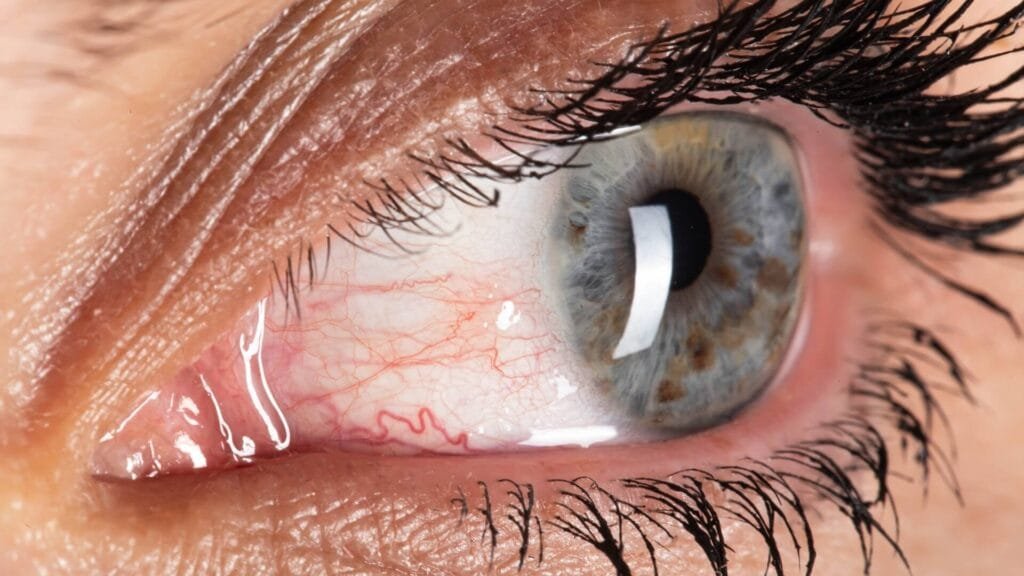
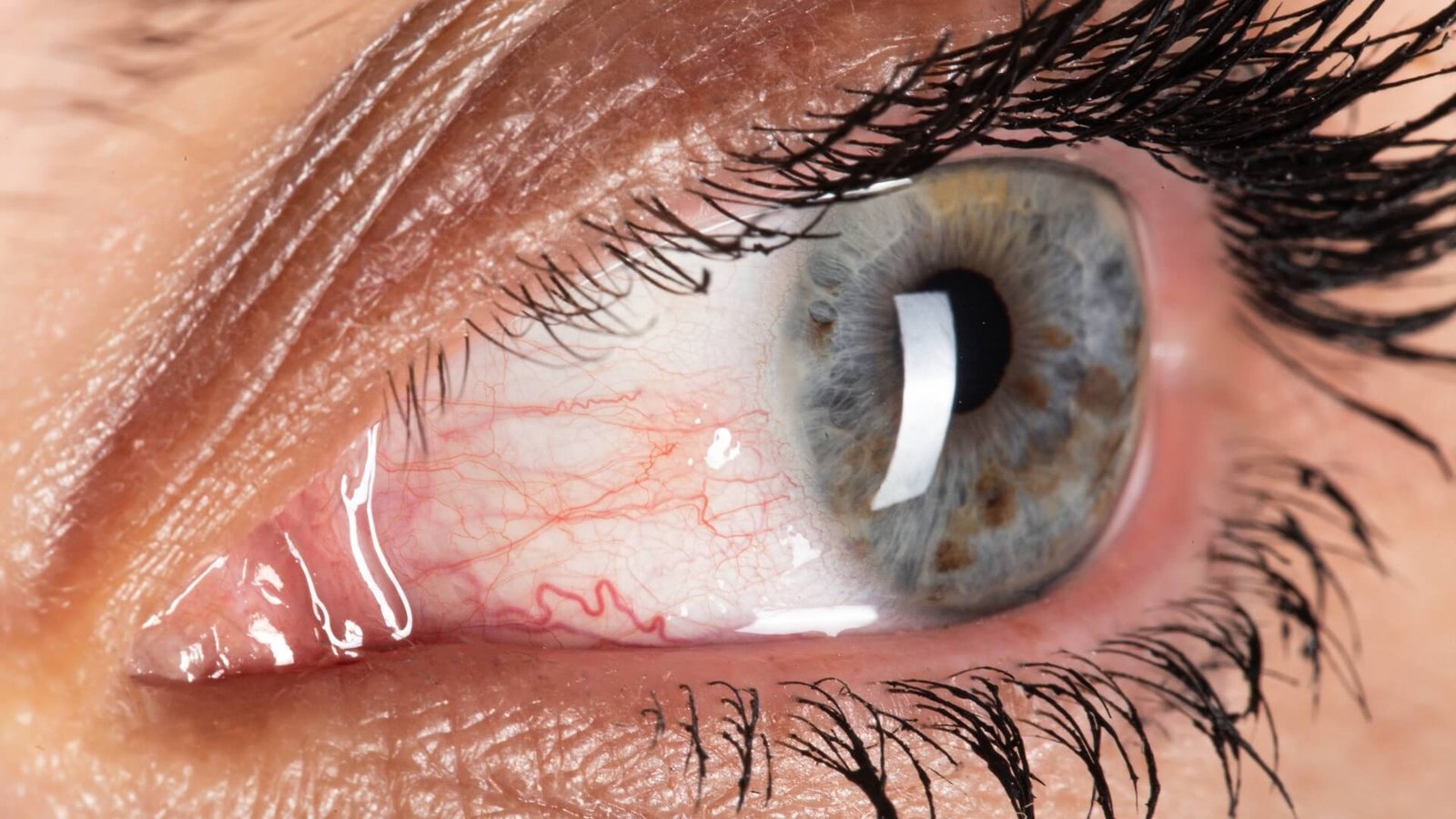
An eyelid wart is typically a small, benign growth that appears on or around the eyelid. In many clinical cases, these are referred to as eyelid papilloma, which are non-cancerous skin growths.
How it usually looks:
- Small, soft, or slightly rough bump
- Flesh-coloured, brown or slightly pigmented
- May be flat or raised
Important clarification:
Not every bump on the eyelid is a wart. It could also be:
- A skin tag
- Milia (tiny white cysts)
- Chalazion (blocked oil gland)
Key facts:
- Most are benign (non-cancerous)
- Although it is seen more often in adults, people of any age can develop it
- Often harmless unless irritated or growing
What Causes Eyelid Warts?
Understanding eyelid warts helps you manage both treatment and prevention effectively.
Viral Infection (Primary Cause)
In most cases, true warts are caused by the Human Papillomavirus (HPV)
- Spreads through direct contact, especially if the skin is slightly damaged
- Can spread if you touch a wart and then touch your eye
- Rubbing your eyes often can increase the risk of infection
- Poor hygiene can allow germs to build up and spread easily
Insight: The virus can stay dormant for a while before showing up as a wart. Self-spread, known as autoinoculation, is quite common.
Skin Cell Overgrowth
Not all eyelid warts are caused by a virus. Some are benign growths called eyelid papilloma, which develop due to irregular skin cell growth. These are usually harmless but may look similar to viral warts.
- Do not spread from person to person like viral warts
- Usually grows over time rather than emerging suddenly
- Usually painless unless irritated
● Often identified only through proper clinical evaluation
UV Exposure and Aging
Sun exposure and natural aging can affect the delicate eyelid skin, making it more prone to small growths over time.
- UV rays can damage the thin skin around the eyes
- Long-term exposure increases the chances of skin changes
- Aging makes the skin thinner and less resistant
- Growths may appear gradually with time
Poor Eye Hygiene and Friction
Daily habits can play a significant role in triggering or worsening a wart near the eye.
- Frequent eye rubbing can irritate the skin and introduce infections
- Use of expired or contaminated makeup increases bacterial exposure
- Sharing towels or personal items can spread infectious agents
- Continuous irritation may worsen existing growths or trigger new ones
Weakened Immunity
A weakened immune system can make it harder for the body to control viral infections like HPV.
- Reduced ability to fight HPV allows the virus to persist longer
- Warts may take more time to heal or disappear
- Higher chance of multiple growths appearing at once
- Recurrence is more common when immunity is low
Are Eyelid Warts a Cause for Concern?
In most cases, eyelid warts are not a cause for concern and are usually benign. However, depending on their size and location, they may cause mild discomfort or cosmetic concerns. In rare situations, they can interfere with vision, especially if they grow near the eyelid margin.
Possible concerns:
- Mild irritation or discomfort
- Cosmetic visibility
- Rare vision obstruction
Watch for red flags:
- Rapid growth
- Bleeding
- Sudden colour changes
These symptoms should not be ignored and require prompt medical evaluation.
Safe Treatment Options for Eyelid Warts
When it comes to eyelid wart treatment, safety is non-negotiable. The eye area is extremely sensitive, so treatment must always be precise and controlled.
When No Treatment Is Needed
- Small and painless warts may not require removal
- Some may shrink or disappear over time
Observation is often the first step.
a) Cryotherapy (Freezing)
- Uses liquid nitrogen to destroy wart tissue
b) Surgical Removal
- Quick and in-clinic procedure
- Recommended if the wart causes irritation or affects vision
c) Laser Treatment
- Highly precise
- Ideal for delicate eyelid areas
d) Electrocautery / Radiofrequency
- Uses controlled heat to remove the growth safely
Clinical insight: Most procedures are simple outpatient treatments with minimal downtime.
Topical Treatments
Some wart creams may be used for skin conditions, but they are generally not safe for the eyelid area without medical guidance.
- Can irritate delicate eyelid skin
- Risk of accidental eye exposure
- Use only if prescribed by a doctor
What NOT to Do
Attempting wart on eyelid removal at home is not recommended. The risk of complications is high due to the close proximity to the eye.
- Avoid acid-based products
- Do not cut or tie the wart
- Do not use over-the-counter wart removers
Why it matters: These methods can cause infection, scarring or damage to the eye.
How to Prevent Eyelid Warts
Preventing eyelid warts mainly involves maintaining good hygiene and protecting the delicate skin around the eyes. Simple daily habits can help to lower the risk
- Avoid touching or rubbing your eyes
Reduces the chance of transferring viruses or bacteria to the eyelid area - Maintain proper eye hygiene
Regularly clean your face and remove eye makeup to prevent buildup and irritation - Do not share makeup or towels
Helps prevent the spread of infections that can lead to warts - Use sunglasses for UV protection
Protects the thin eyelid skin from sun damage and long-term changes - Support immunity with a healthy lifestyle
A healthy immune system supports the body in controlling viral infections like HPV
When to See a Doctor
While most eyelid growths are harmless, medical evaluation is important if symptoms persist or cause discomfort. Early assessment helps ensure accurate diagnosis and safe treatment.
- Persistent or growing bumps
- Pain, irritation or redness
- Vision obstruction
- Uncertainty about the condition
Note: Many conditions can look similar, such as:
- Milia
- Chalazion
- Skin tag
A professional diagnosis ensures the right treatment approach.
Conclusion
An eyelid wart may appear concerning, but in most cases, it is harmless and manageable. The real risk lies in misdiagnosis or unsafe treatment attempts. If you notice a small bump on eyelid, the right approach is to seek proper evaluation, understand the eyelid warts causes, and follow guided care. For those seeking expert consultation and safe eyelid wart treatment, choosing a trusted facility matters. Clinics like Aarya Eye Care, recognised as a best eye care hospital in Thrissur, offer specialised diagnosis and advanced removal options personalized to delicate eye conditions. The focus should always be clear, protect your vision, treat safely and avoid shortcuts.