
What Is Pterygium? Causes, Symptoms, and When Surgery Is Needed
Have you noticed a subtle redness in your eye or a small, fleshy growth near the inner corner and assumed it was just minor irritation, especially since there is no pain? Over time, what seems minor can become more noticeable, yet is often overlooked. This is where timely medical attention becomes important. What may appear harmless could in fact be pterygium, commonly referred to as surfer’s eye, a progressive conjunctival eye growth that can extend onto the cornea and affect both visual clarity and overall eye comfort. In high UV exposure regions like Kerala, the prevalence is higher due to sustained sunlight, environmental pollutants, and dry eye conditions. Understanding what a pterygium is, recognising pterygium symptoms, and knowing when to seek treatment can help prevent vision complications.
What Is Pterygium?
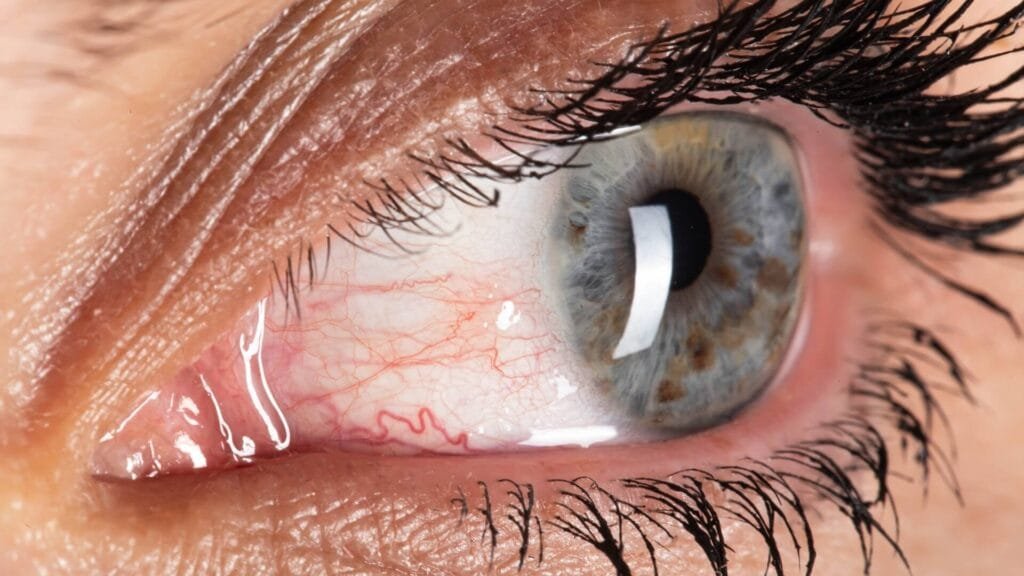
Pterygium is a non-cancerous growth that develops on the conjunctiva, the thin, transparent layer covering the white part of the eye. Over time, it can extend onto the cornea, which is the clear front surface responsible for focusing vision. Pterygium eye condition is also known as “surfer’s eye”, as it is commonly seen in people exposed to sun, wind and dust for long periods.
Key Characteristics:
- Appears as a triangular and fleshy growth
- Usually starts from the inner corner of the eye
- Grows slowly toward the cornea
- Can remain small or progressively increase in size
While it may look alarming, it is important to note that this is a benign condition, not cancer.
Stages of Pterygium
Understanding the stages helps in timely intervention and better outcomes.
Early Stage
- Small growth
- Minimal or no symptoms
- Often goes unnoticed
Progressive Stage
- Visible tissue growth
- Eye irritation and redness
- Foreign body sensation
Advanced Stage
- Growth reaches the cornea
- Can affect vision
- May cause astigmatism
Eye specialists classify severity based on how far the growth extends over the cornea. Timely identification helps prevent progression.
What Causes Pterygium?
Pterygium does not develop randomly. It is usually the result of long-term environmental exposure and eye surface stress. Let’s understand the Pterygium causes;
UV Exposure (Primary Cause)
Continuous exposure to sunlight damages the eye surface. UV rays trigger abnormal tissue growth, especially in people who spend long hours outdoors.
Environmental Factors
Dust, wind and smoke cause chronic irritation. Over time, this irritation leads to inflammation and tissue changes.
Dry Eye Syndrome
Dry eyes reduce the natural protective layer of the eye, making it more vulnerable to damage. This increased exposure can trigger inflammation and contribute to abnormal tissue growth over time.
Lifestyle Risk Factors
- Outdoor workers
- Drivers
- Fishermen
- Athletes
These individuals are regularly exposed to sunlight, dust, and wind, which significantly increases their risk of pterygium.
Geographic Risk
Tropical regions like Kerala see higher cases due to intense sunlight and humidity. Prolonged environmental exposure in such climates accelerates the likelihood of developing this condition.
Symptoms of Pterygium
Symptoms usually develop gradually and vary based on how far the condition has progressed.
Early Symptoms
- Mild redness
- Occasional irritation
At this stage, symptoms are subtle and often mistaken for eye strain or dryness, which is why many people tend to ignore them.
Moderate Symptoms
- Feeling of something in the eye
- Dryness
- Visible growth
As the condition progresses, the growth becomes noticeable, and discomfort increases. Patients often describe a constant foreign body sensation that does not improve with basic eye drops.
Advanced Symptoms
- Blurred vision
- Astigmatism
- Corneal involvement
In advanced stages, corneal involvement can affect visual clarity and focus, and may lead to refractive changes like astigmatism, making vision less sharp.
If you notice persistent irritation along with a visible growth, it is important to seek a professional eye evaluation at the right time.
Is Pterygium a Cause for Concern?
Although it is a benign condition, it should not be ignored. Understanding what is pterygium helps in recognising its early signs, when it may remain stable and cause only mild discomfort. However, as it progresses, the growth can extend onto the cornea and begin to affect normal vision.”
If left untreated:
- It can distort vision by altering the shape of the cornea
- Cause corneal damage over time
- Lead to astigmatism, resulting in blurred or unclear vision
In some cases, persistent redness and irritation can also affect daily comfort, especially during activities like reading, driving or screen use.
The risk is not immediate, but gradual progression can impact both vision quality and eye health. Early evaluation helps monitor the condition and prevents complications before they become significant.
Diagnosis of Pterygium
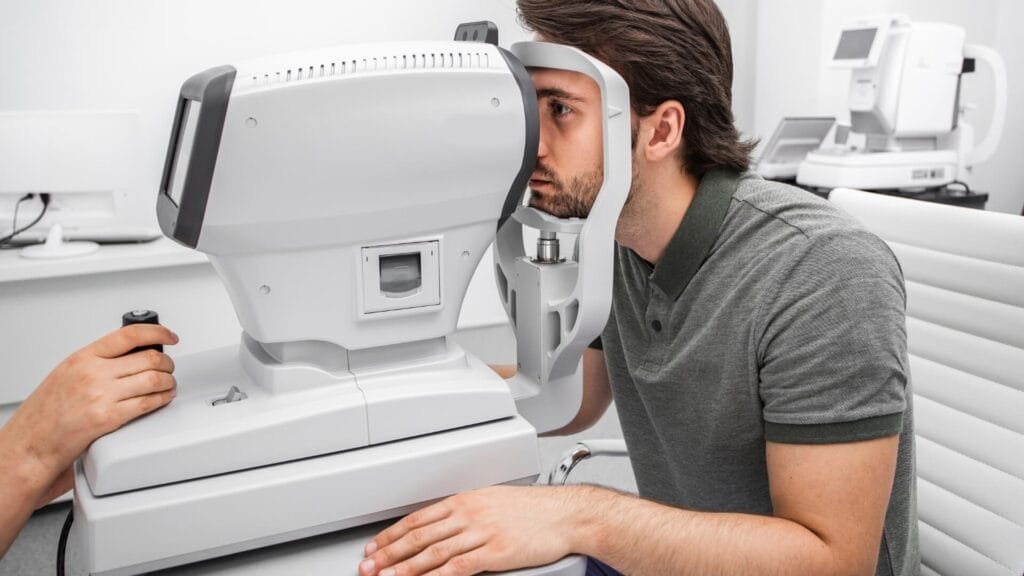
Pterygium diagnosis is usually simple and does not require complex tests. In most cases, an experienced eye specialist can identify the condition during a routine eye examination.
How is it diagnosed?
- Visual examination
The doctor examines the eye to check for any visible conjunctival growth and assess its position. - Slit lamp test
A slit lamp test allows a more detailed view of the eye, helping evaluate the size, thickness and how far the growth has extended onto the cornea.
These basic assessments are often enough to confirm the condition and understand its stage.
Why professional evaluation matters
Even if the growth looks small or painless, a proper eye examination is important. It helps determine whether the pterygium needs simple monitoring or active treatment, and ensures that vision is not at risk.
Treatment Options for Pterygium
The treatment approach for pterygium depends on the severity of the condition and the symptoms experienced. In many cases, especially in the early stages, non-surgical management is sufficient to control discomfort.
Non-Surgical Treatment
- Lubricating eye drops
These help reduce dryness and keep the eye surface moist, improving overall comfort. - Anti-inflammatory drops
Prescribed to reduce redness and irritation caused by inflammation. - UV protection (sunglasses)
Wearing UV-protective sunglasses helps prevent further damage from sunlight and slows progression.
It is important to understand that these treatments are designed to manage symptoms and prevent worsening, but they do not eliminate the growth itself. Regular monitoring is essential to track any changes over time.
When Is Pterygium Surgery Needed?
Surgery is not always necessary. In many cases, pterygium can be managed without it. The decision depends on how the condition is affecting your eye and daily life.
Surgery may be recommended when:
- Vision becomes affected or blocked
- The growth is increasing quickly
- Irritation and redness continue despite treatment
- The appearance of the eye causes concern
- Astigmatism develops and affects clarity
The aim of Pterygium surgery is not just to remove the growth, but also to improve comfort, protect vision and reduce the chances of it coming back.
Prevention of Pterygium
Preventing pterygium largely comes down to reducing long-term exposure to the factors that trigger it, especially UV radiation, dust and dryness.
Practical Steps You Can Follow:
- Wear UV-protective sunglasses
Choose sunglasses that block 100% UV rays. This directly reduces UV exposure, which is the primary cause of pterygium, especially in sunny climates. - Use protective eyewear in dusty or windy environments
If you work outdoors or travel frequently, protective glasses help shield your eyes from dust and wind, preventing chronic irritation. - Keep your eyes well-lubricated
Use lubricating eye drops if you experience dryness. A well-hydrated eye surface is less prone to inflammation and damage. - Limit prolonged sun exposure
Try to avoid direct sunlight during peak hours or use hats along with sunglasses for added protection.
These measures are simple but effective. By addressing the main pterygium causes like UV exposure, eye damage, environmental irritation and dryness, you can significantly reduce the risk and help prevent pterygium from developing or worsening.
Why Choose Aarya Eye Care
Pterygium requires careful evaluation, not rushed decisions. At Aarya Eye Care, the focus is on understanding how the condition is affecting your vision and comfort before recommending the right course of care. Each case is examined using clinical methods such as slit lamp evaluation to assess corneal involvement and progression. This ensures clarity on whether simple monitoring is sufficient or if further treatment is needed. The approach focuses on managing symptoms first, with surgery recommended only when there are clear signs like vision disturbance or progressive growth. For patients looking for the best eye hospital in Thrissur, Aarya Eye Care offers practical and condition-based care focused on what your eye actually needs.
Conclusion
Pterygium may begin as a minor change in the eye, but it can gradually advance if not monitored, especially in regions with high UV exposure like Kerala. While it is not harmful in the early stages, progression can affect both vision and comfort over time. Early attention and the right action can improve outcomes. Many cases remain stable with simple care, while others may require treatment depending on how the condition develops. With the right guidance and follow-up, long-term complications can be effectively avoided. Aarya Eye Care provides consistent, patient-centred care, making it a dependable choice as the best eye clinic in Thrissur.
Frequently Asked Questions
Can pterygium go away naturally?
Lorem ipsum dolor sit amet, consectetur adipiscing elit. Ut elit tellus, luctus nec ullamcorper mattis, pulvinar dapibus leo.
Is surgery necessary for everyone?
Not at all. Many cases are managed without pterygium surgery unless symptoms worsen or vision is affected. Treatment is based on how the condition impacts your daily life.
Is pterygium surgery painful?
The procedure is generally performed under local anaesthesia. Patients experience minimal discomfort. Mild irritation may be present during the initial recovery period.
How long does recovery take?
Most patients recover within a few weeks, with noticeable improvement in comfort and appearance. Your doctor will guide you on precautions to ensure smooth healing.